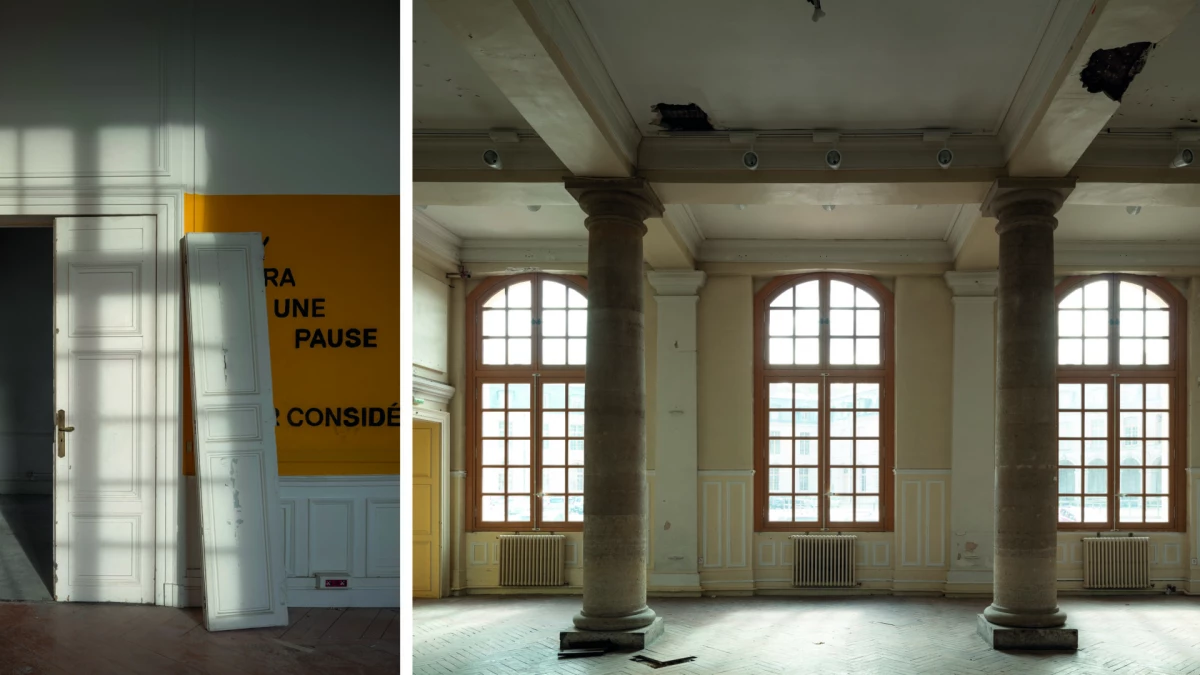
The Versailles Campus
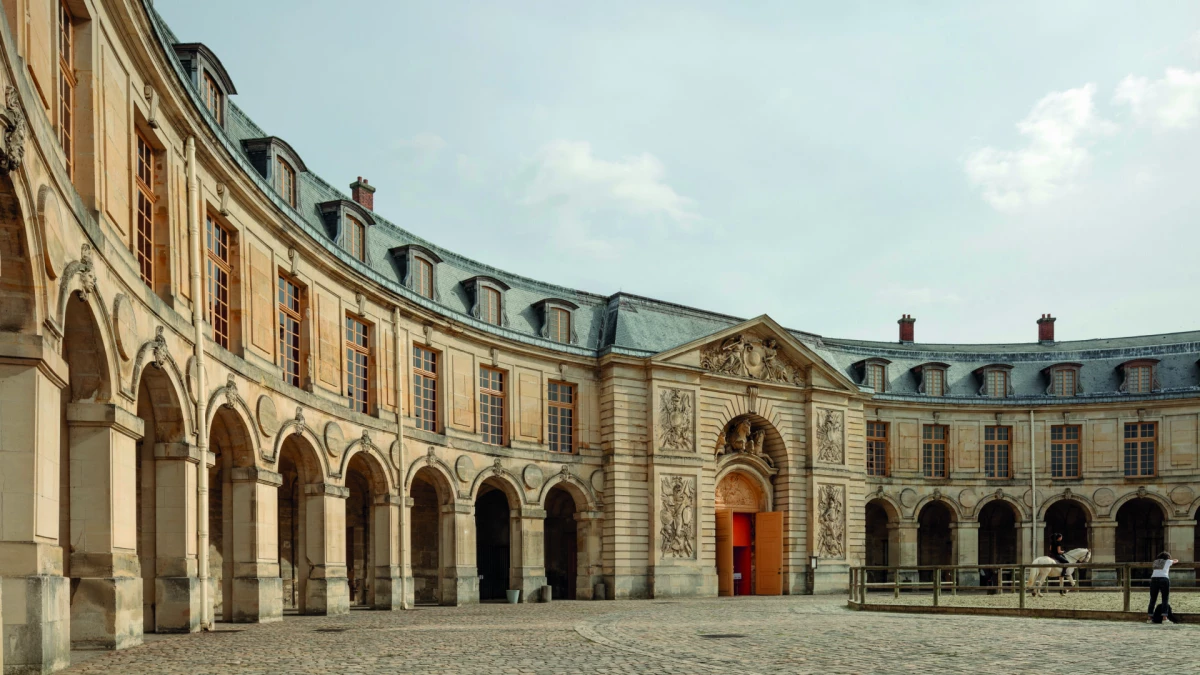
In the past there were horses in the palace; in the future there will be workshops in the stables. This the direction in which the “Versailles Campus – Heritage and Artisanal Excellence in the royal stables” project is moving. We designed the renovation to be a public, educational demonstration of architecture as the art of transforming reality at every stage.
Constance de Zuttere, Project manager
Martin Gatto, Project assistant
OSKAPROD, Project owner’s representative
Équilibre, Structural engineering
BMF, Economist
INEX, BET fluides, CVC, ELEC, CFO/CFA
Les éclaireurs, Lighting design
IDEA, Asbestos and lead engineering consultancy
META, Acoustics engineering
AC2R, Kitchen design consultancy
IRB Integral Designer, Signage and wayfinding
Philippe Guillauteau, Ergonomics consultancy
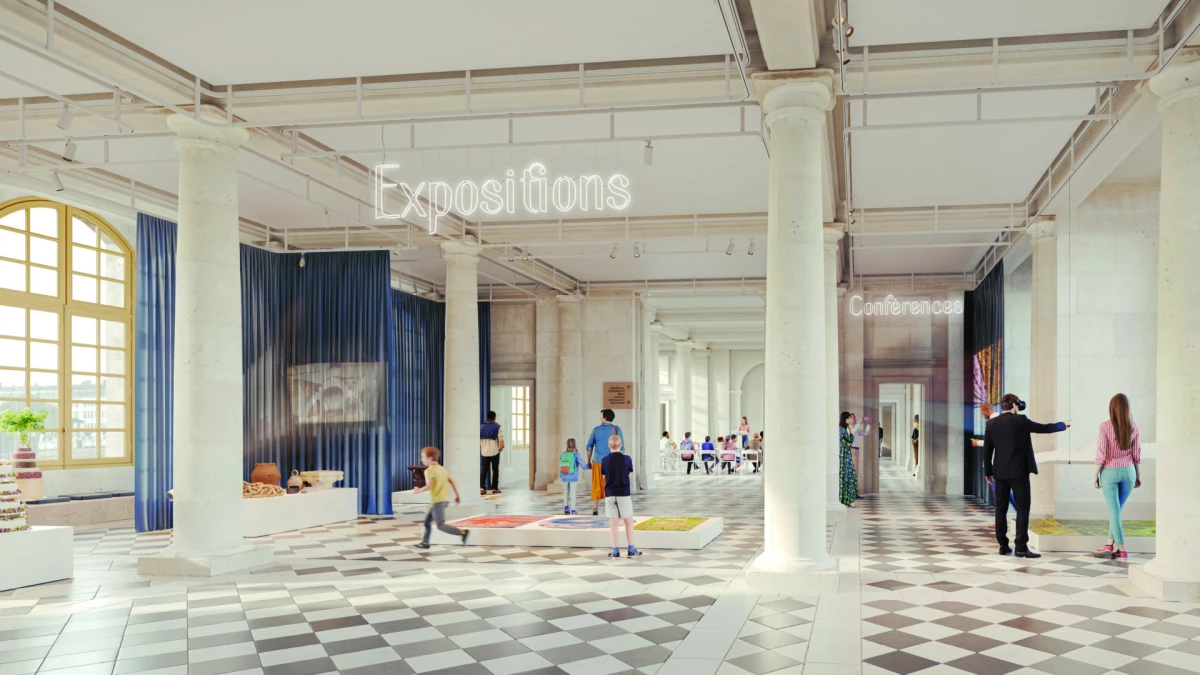
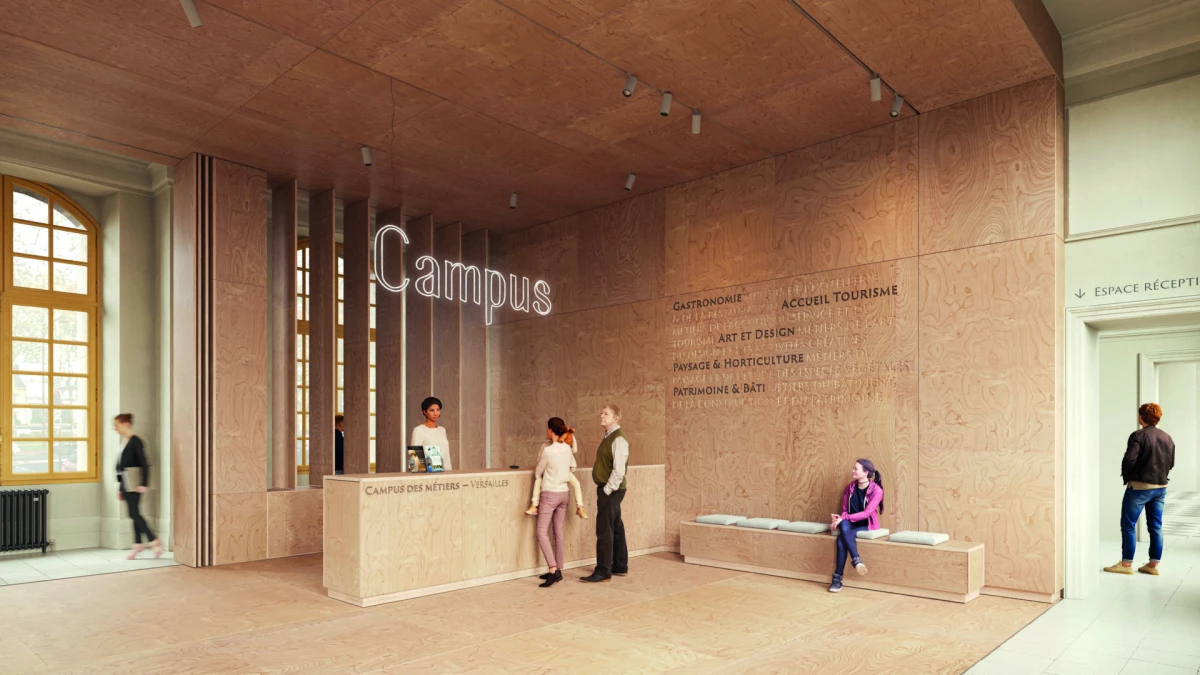
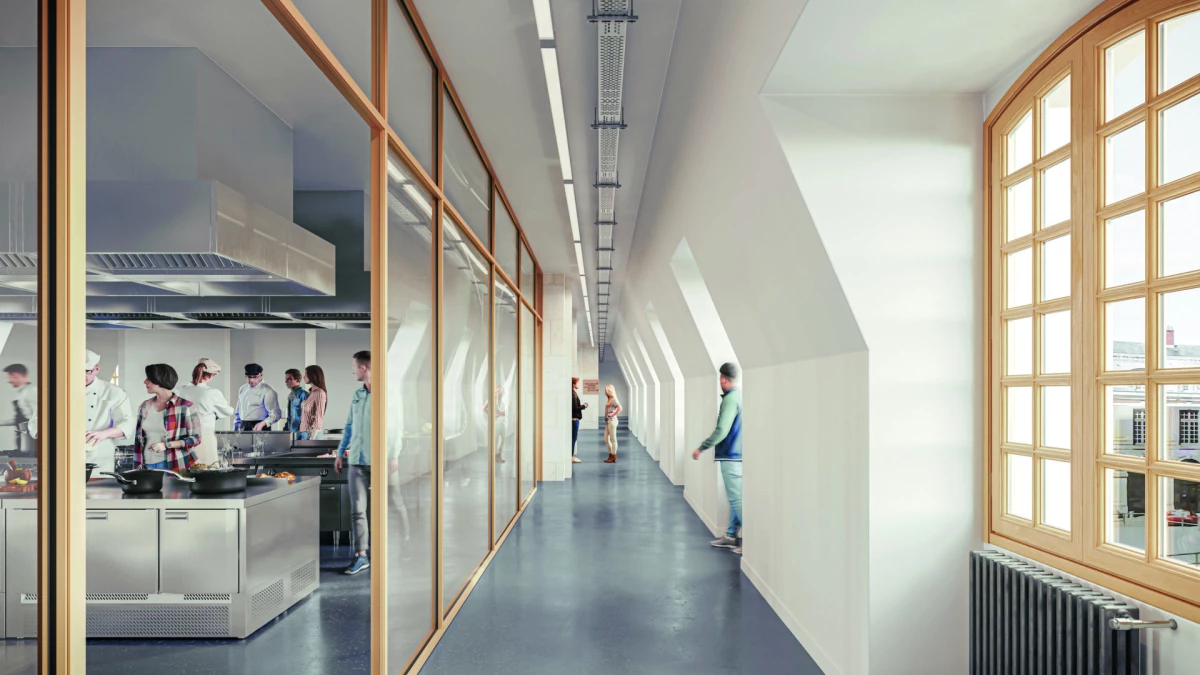
In time, the Versailles Campus will coexist with the national equestrian academy of the Versailles estate as an extension of a pilot experiment. It’s an exceptional place for passing on skills and sharing French excellence across five fields – the built heritage professions, the disciplines of crafts and design, horticulture and landscape, gastronomy, and hospitality, services, and tourism.
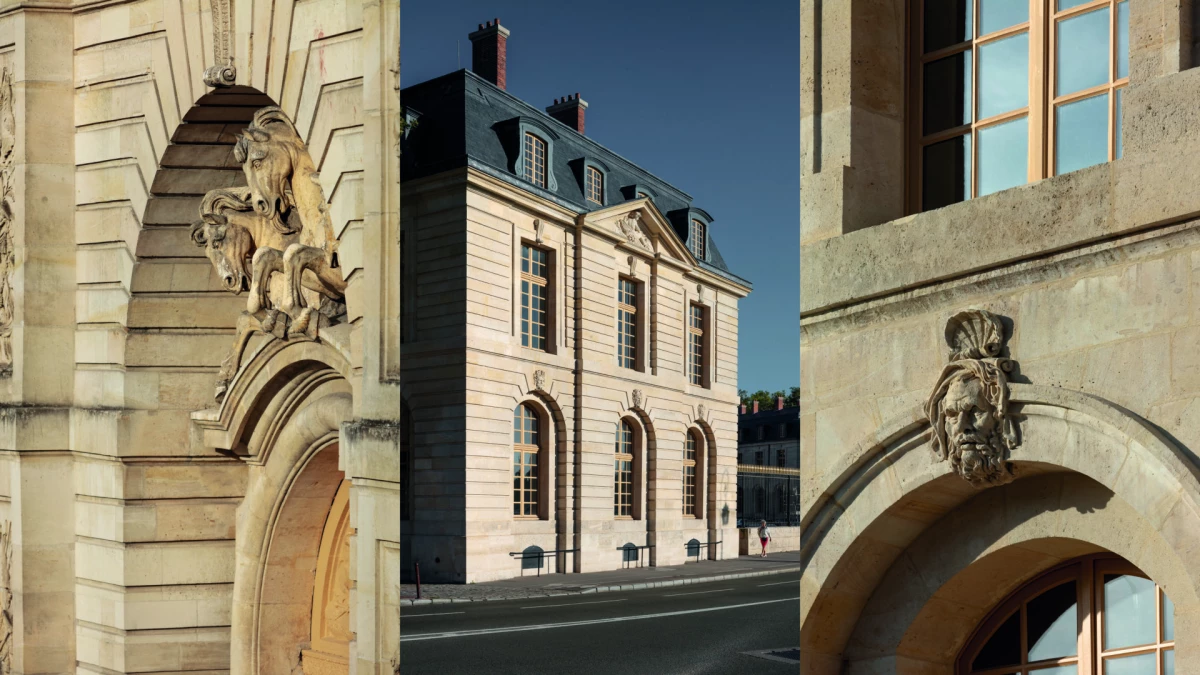
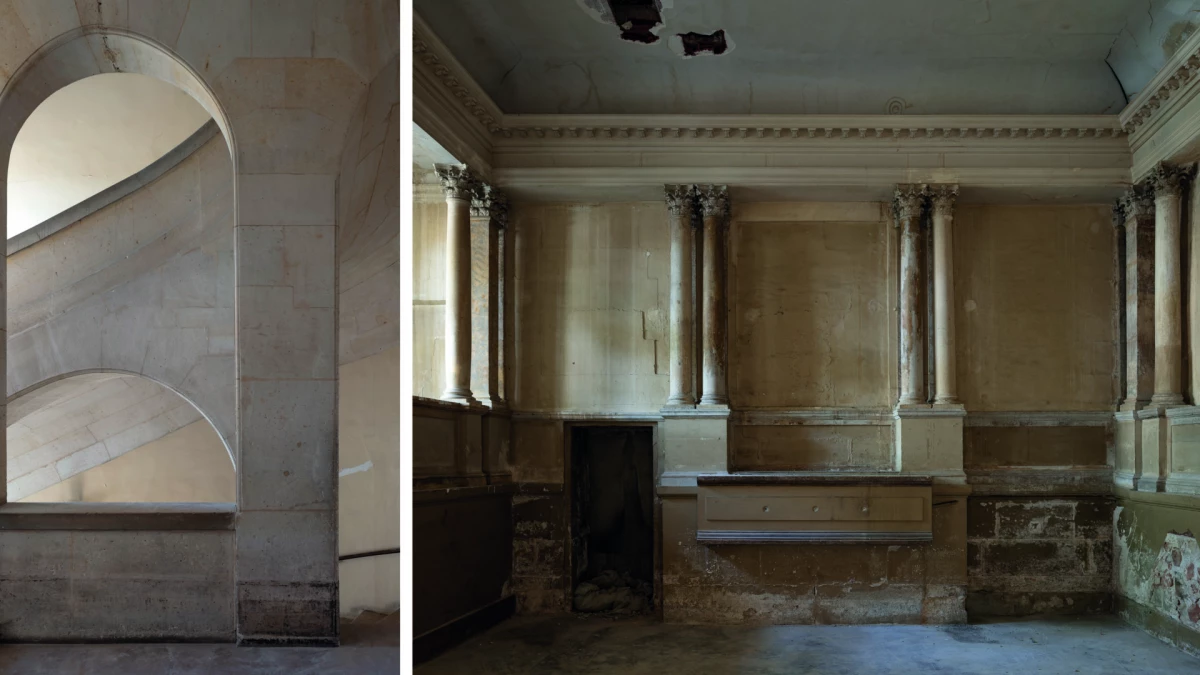
Jules Hardouin-Mansart built these royal structures for horses. Now, our delicate task is to adapt the stables to accommodate workshops for making and creating, for teaching and innovating, and to make them a showcase both within France and internationally.
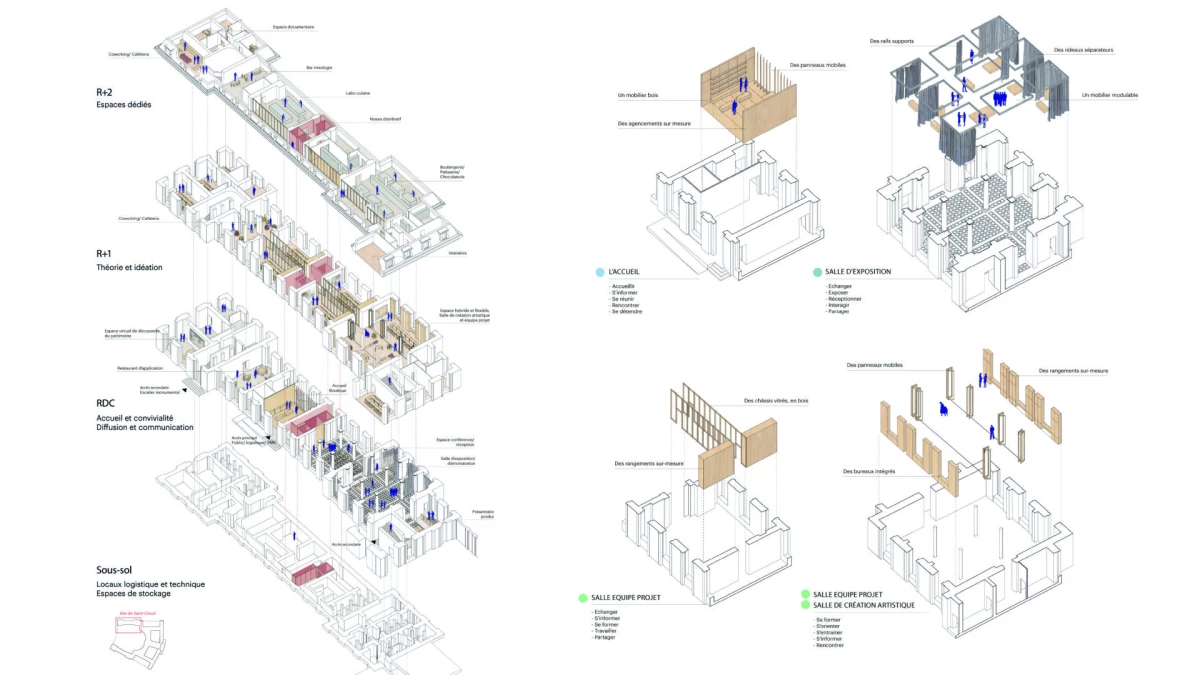
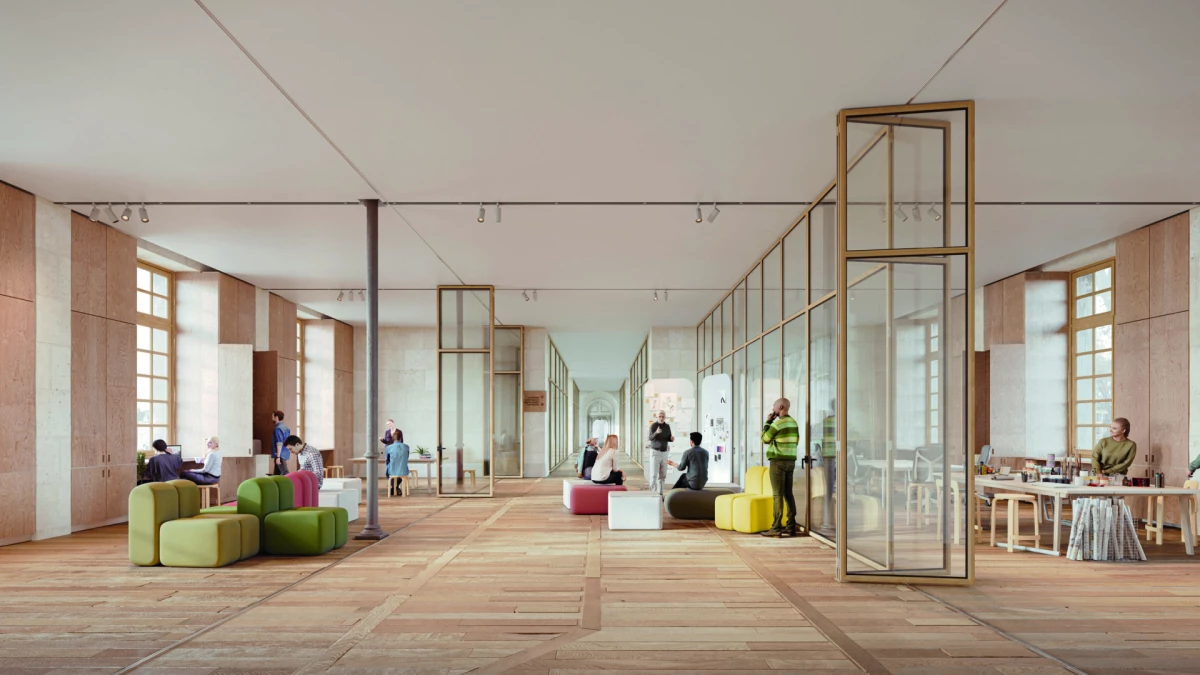
The principles are both simple and demanding: first, make sure any work is legible and reversible to respect the historic heritage and ensure it is properly enhanced; next, to ensure that the design and execution are guided by an economy of means – remove nothing, or as little as possible, and add only what is essential; and finally, partition the space and ensure fittings are mobile and flexible. The design philosophy should prioritise elements that could be easily assembled and disassembled. Use a maximum of natural, geo-sourced, and organically sourced materials. A significant proportion can come from reused materials and those recycled on-site.
Furniture and finishings should be designed so that anyone can use and move them as well as serve different purposes depending on how they are arranged.