La Monnaie de Paris
"Connecting the work to the place, architecture to the site, and the site to the living world”: these words from the art historian André Chastel were used to guide how we designed a shop and a museum space within the Hôtel de la Monnaie, helping open the monument up to the city and cements its roles as a pre-eminent centre of French heritage and cultural excellence.
Gaël Lesterlin, Projet director
Aurélie Lopes, Projet manager
Mathilde Mouchel, Projet manager
BET ACV, Acoustics engineering
Batiss, Fire safety coordination
New build
Development and enhancement of industrial, cultural, commercial and tourism sites
Exhibition design and museum pathway
Project area: 15 000 sqm
Offices: 1 500 sqm
Aitor Ortiz
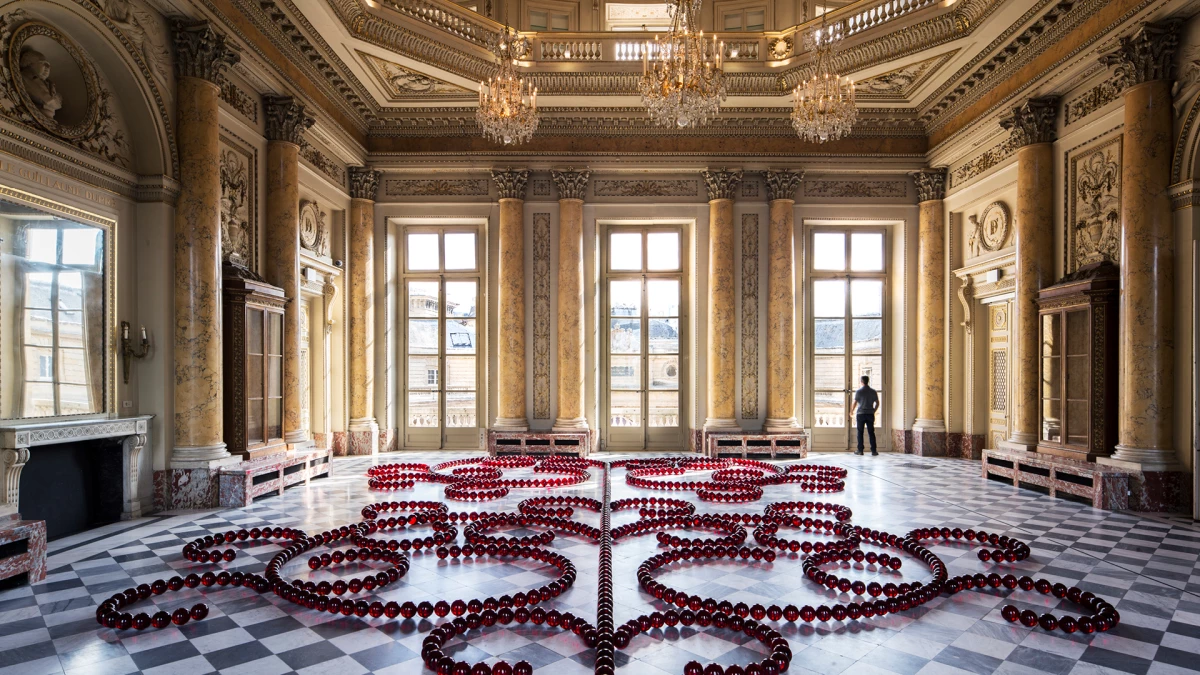
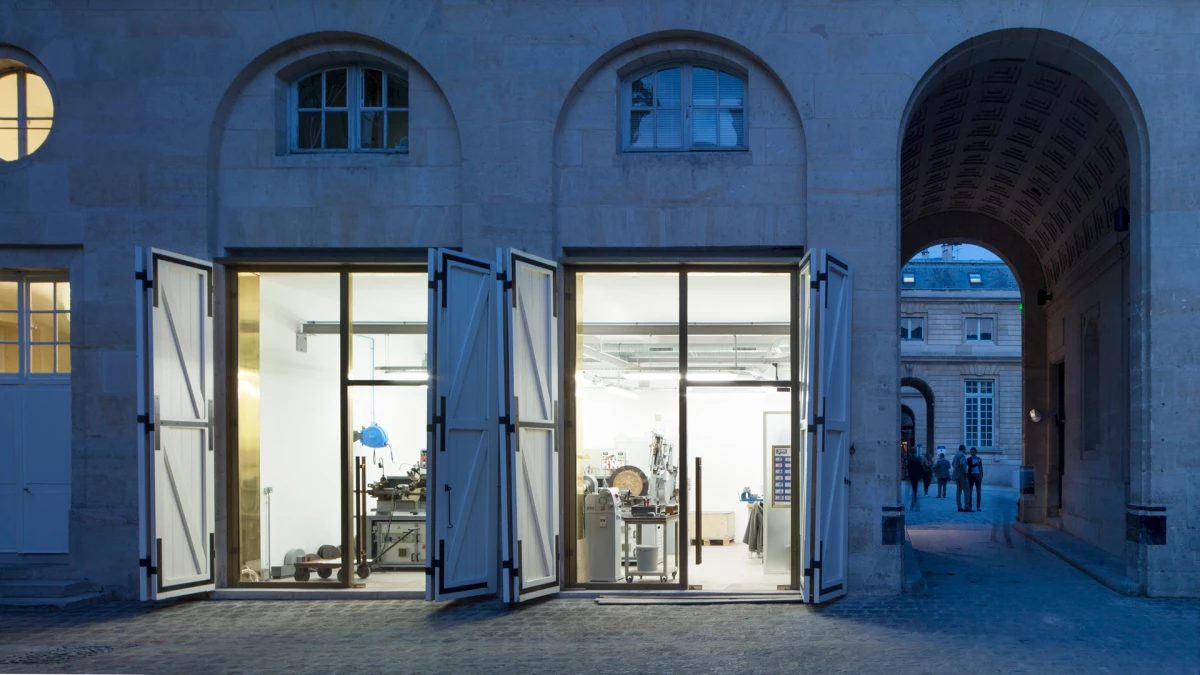
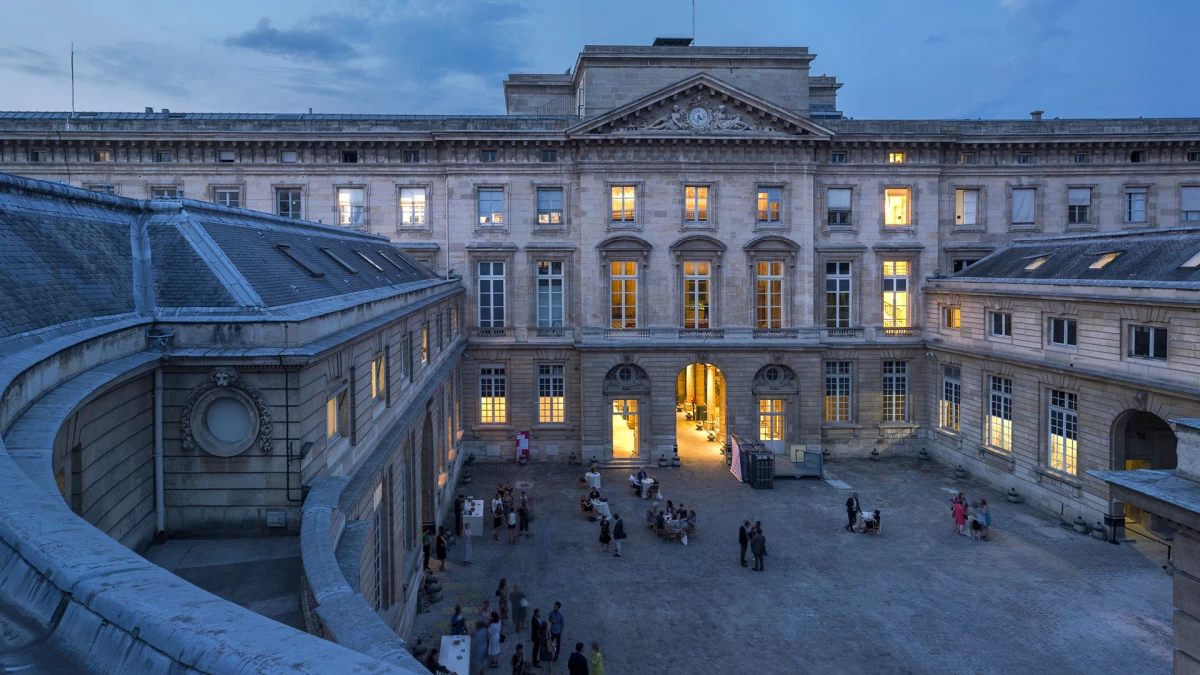
The institution located on 11 quai de Conti is increasingly known as La Monnaie de Paris since it was opened up to the city. Inside are spaces for people working in 15 different disciplines, among them engravers, modellers, chisellers, coin-makers, die-stampers, burnishers, enamellers, and jewellers. These men and women are the inheritors of ancestral skills, and they work to perpetuate and enrich them every day while producing genuine works of art in the beating heart of Paris (C. Giffin, La Monnaie de Paris). For architects, this project was a unique opportunity to engage with a site that is both the oldest factory in Paris (and a listed as a historic monument) and one that is actively producing new work. It will keep doing so while also confirming its role as a pre-eminent centre of French heritage and cultural excellence.
This transformation required breaking up the Hôtel de la Monnaie's spatial isolation and re-situating it in the flow of time. Our strategy was guided by the words of historian André Chastel: “connecting the work to the place, architecture to the site, and the site to the living world.”
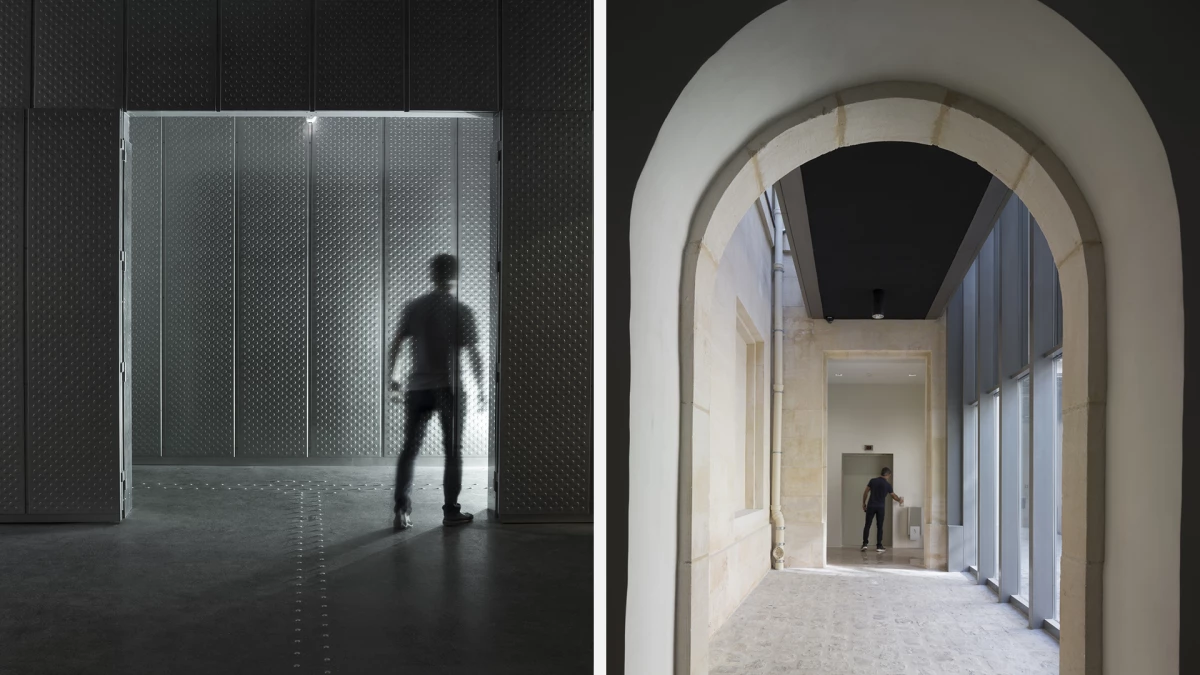
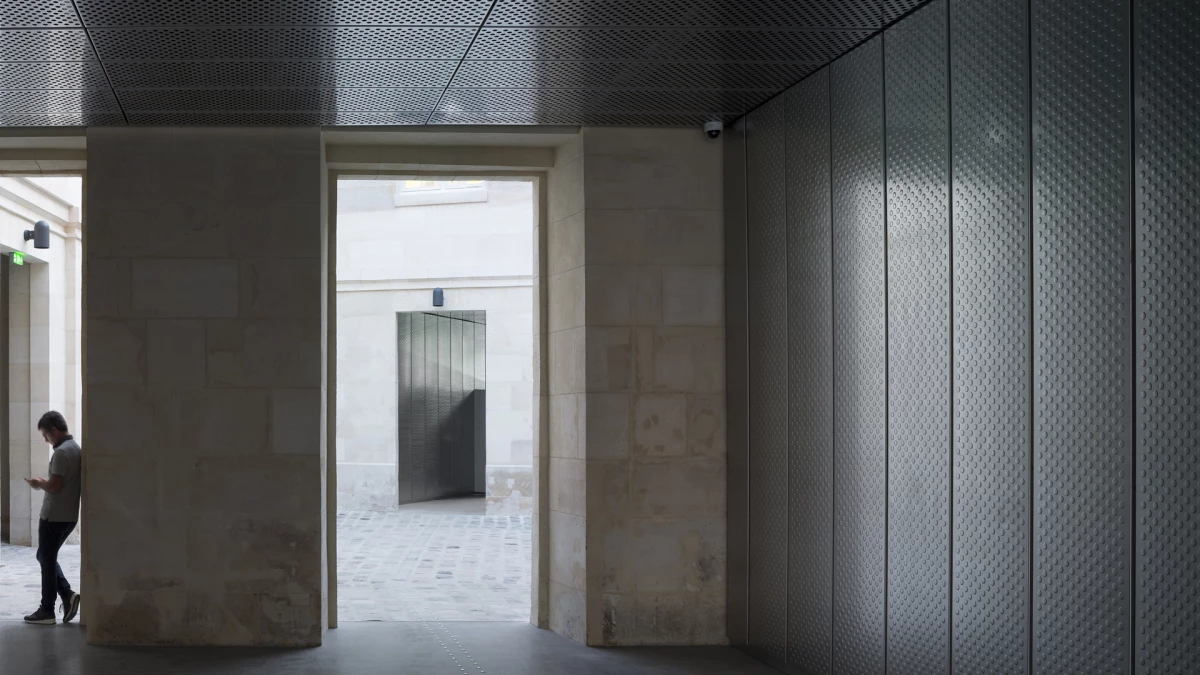
Connecting the work (producing coins and medals) to the place (the stone edifice of the Hôtel de la Monnaie de Paris) meant using metal, which became the project's defining material. We used it widely in the perforated panels of stainless steel, copper, and brass to pay homage to the blanking sheets which workers would use to press discs and make medals and coins.
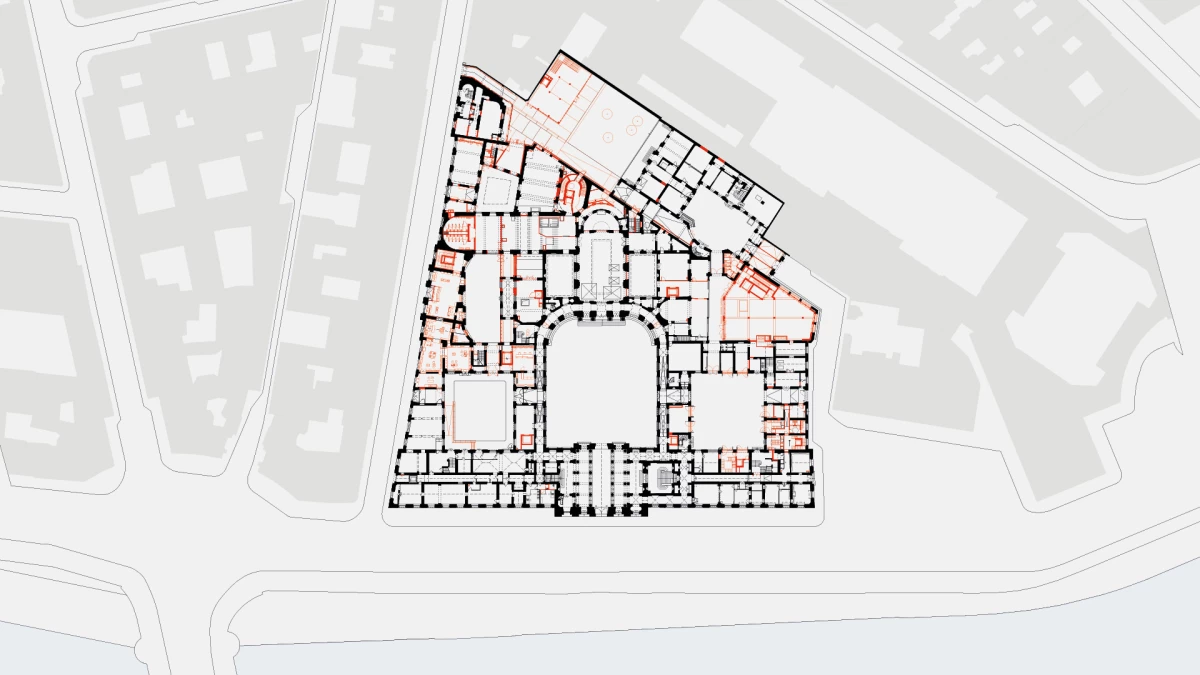
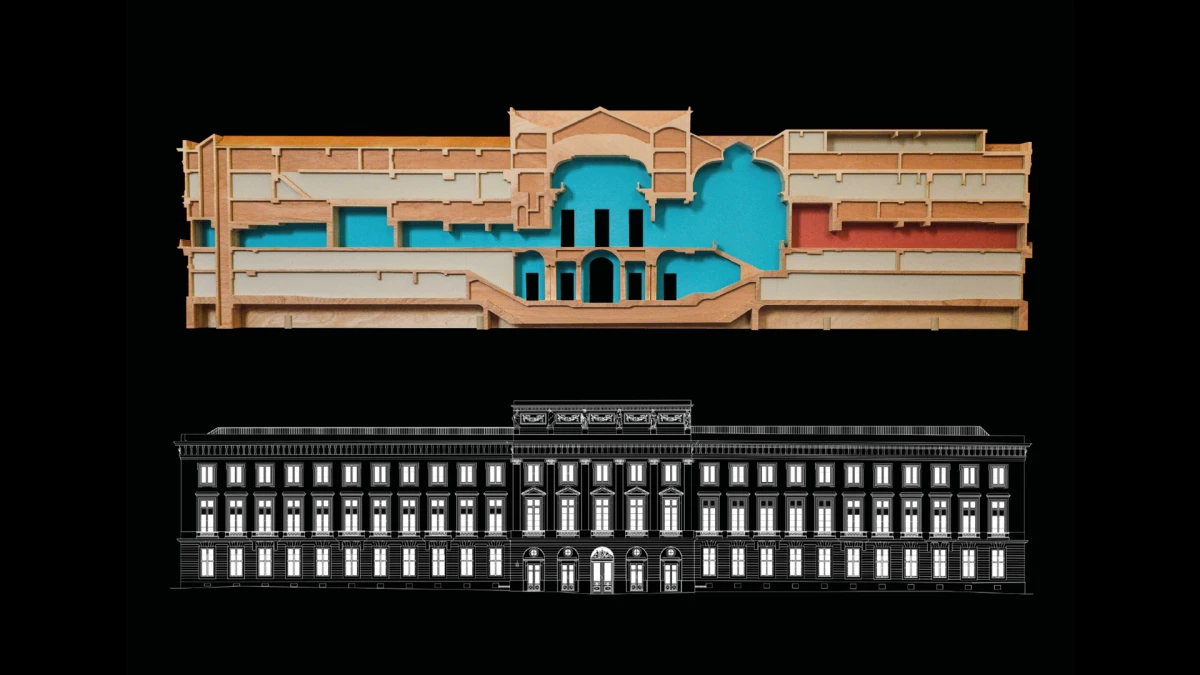
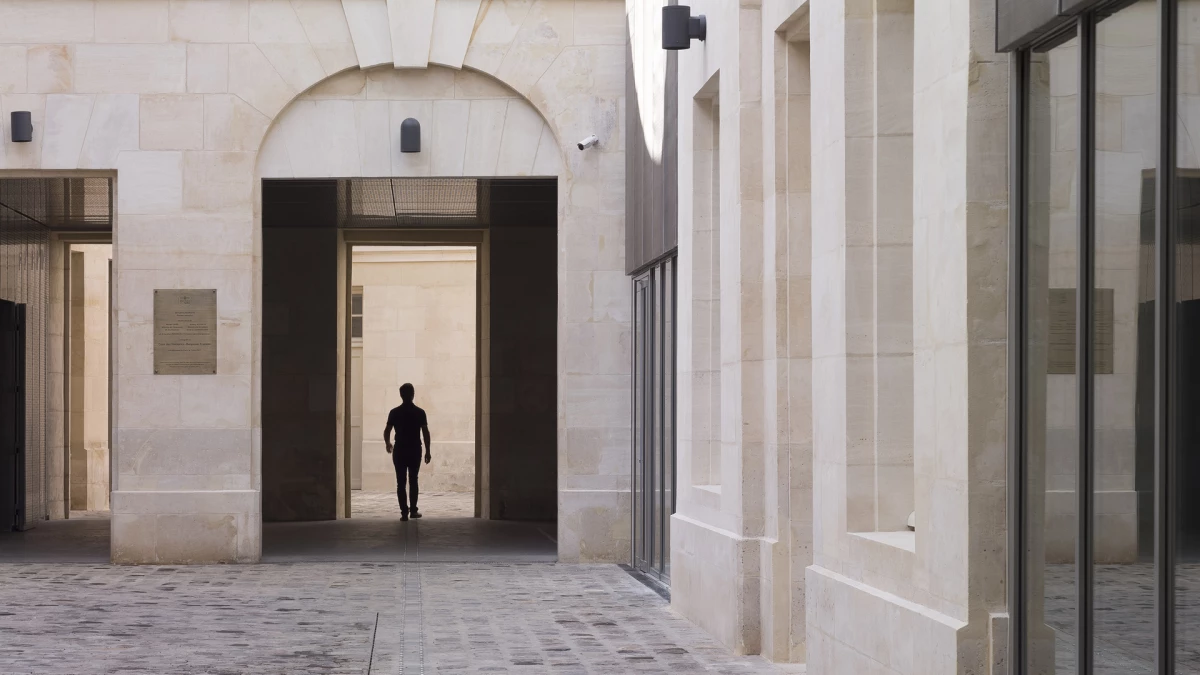
Connecting architecture to the site involved a diachronic reading of the Hôtel de la Monnaie. The complex consists of a palace and a factory designed by the architect Jacques-Denis Antoine as well as a forgotten private mansion attributed to Jules Hardouin-Mansart. The buildings were arranged around a sequence of courtyards, which provided an opportunity to let people to cut across it and read the site more clearly, but we ended up using the typology of the “hôtel particulier” (private mansion) – poised between a courtyard and a garden – to rethink how to move through the site.
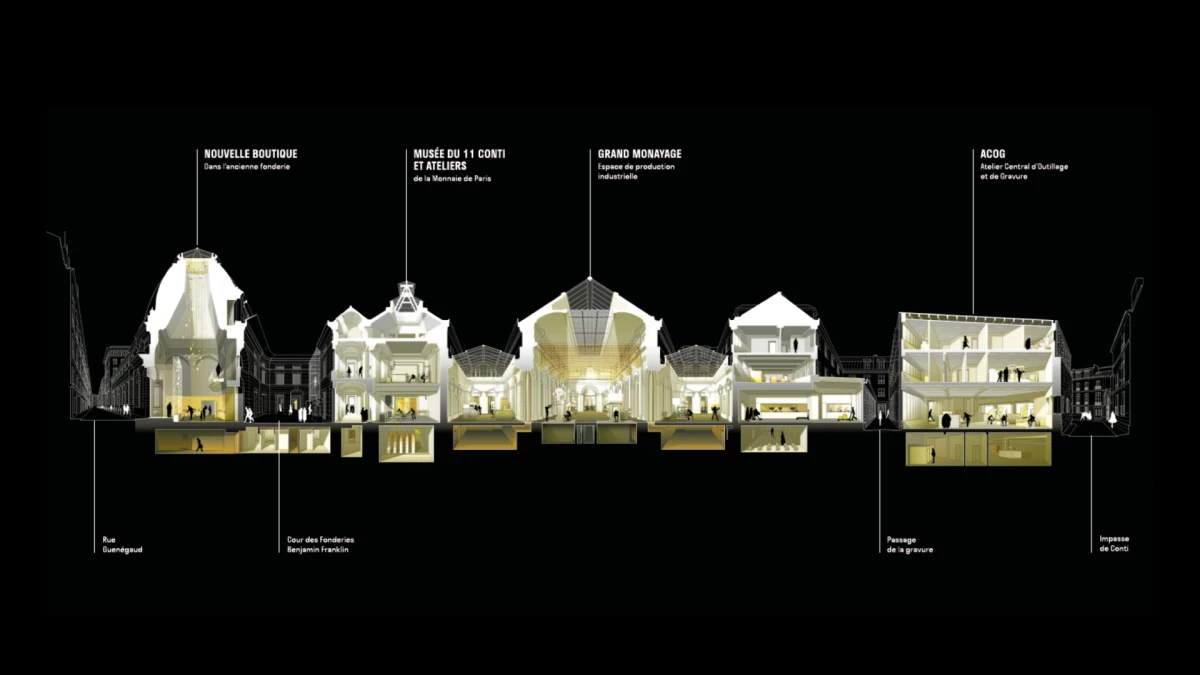
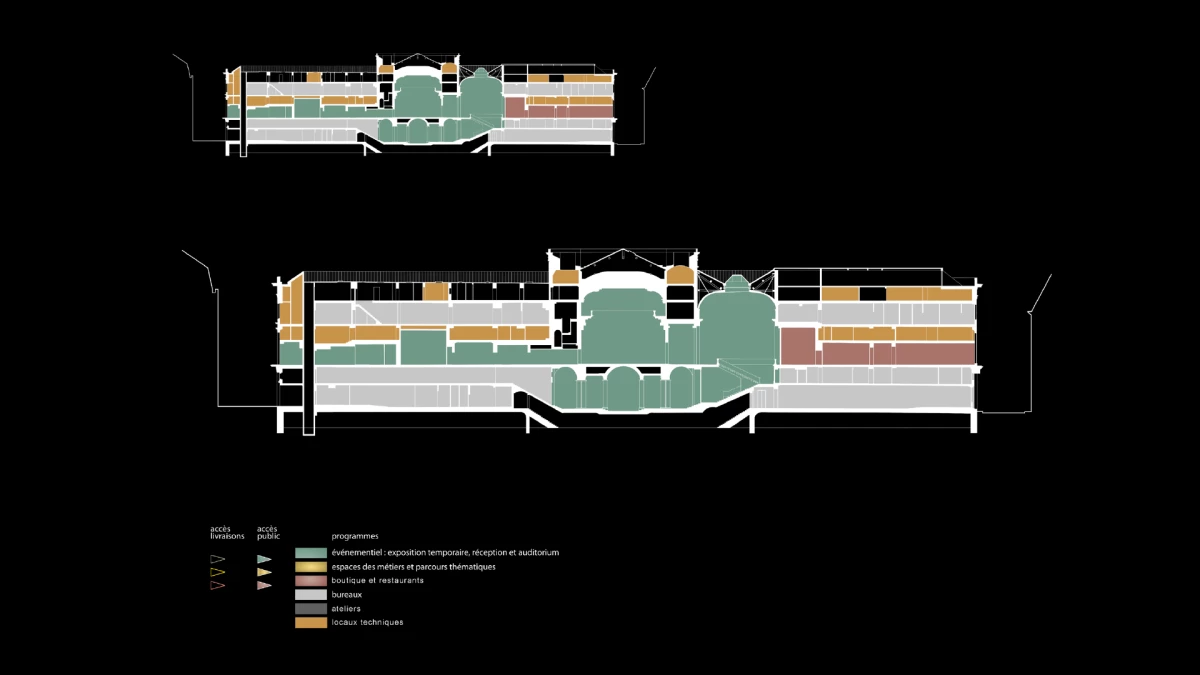
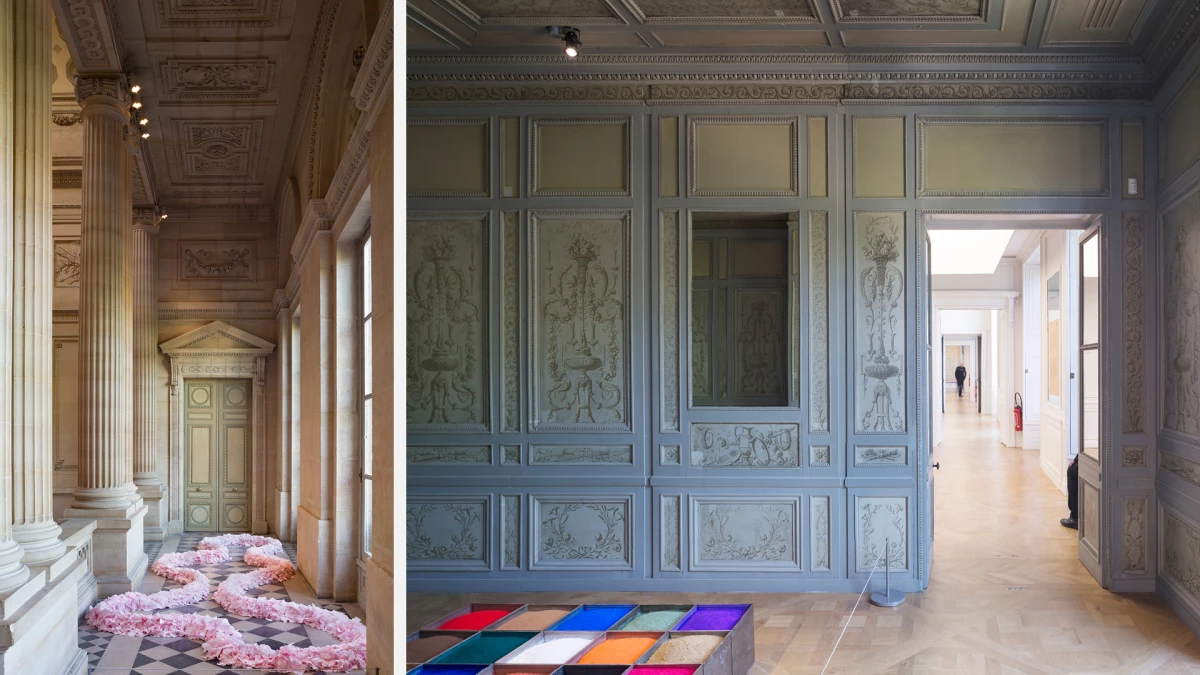
Finally, connecting the site to the living world meant opening it up to the city by introducing new programmes and activities which would appeal to a broad audience, as well as sustaining and modernising its craftsmanship and industrial production. In short, creating a museum and a shop.