Redesign of the Place de la Concorde
The Place de la Concorde – first designed as a garden square when it was laid out in the eighteenth century, then transformed into a traffic roundabout in the twentieth, and partially pedestrianised after the 2024 Olympic Games – is now being comprehensively redesigned, bringing the square back to its origins to meet the city’s contemporary needs by combining heritage and sustainable development.
Alto Step, Civil engineering (roads and utilities)
ETC, Mobility Engineering Consultancy
EVP, Structural engineering
CRONOS, Safety engineering
Les éclaireurs, Lighting design
Diluvial, Water features and irrigation
Cyril Villatte, Heritage cost consultant
Eco+Construire, Economist
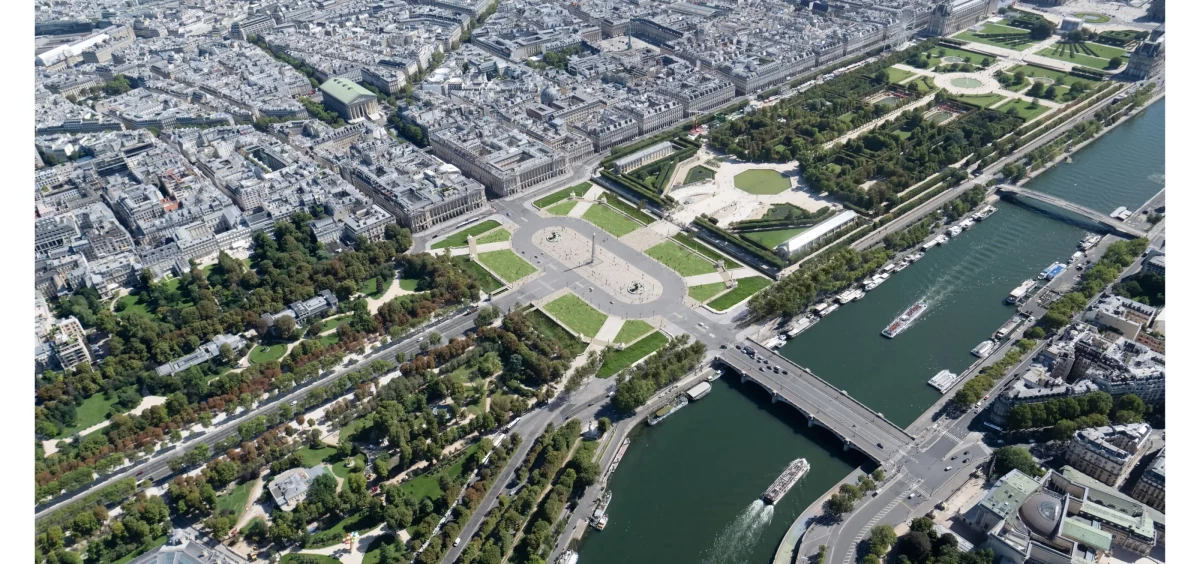
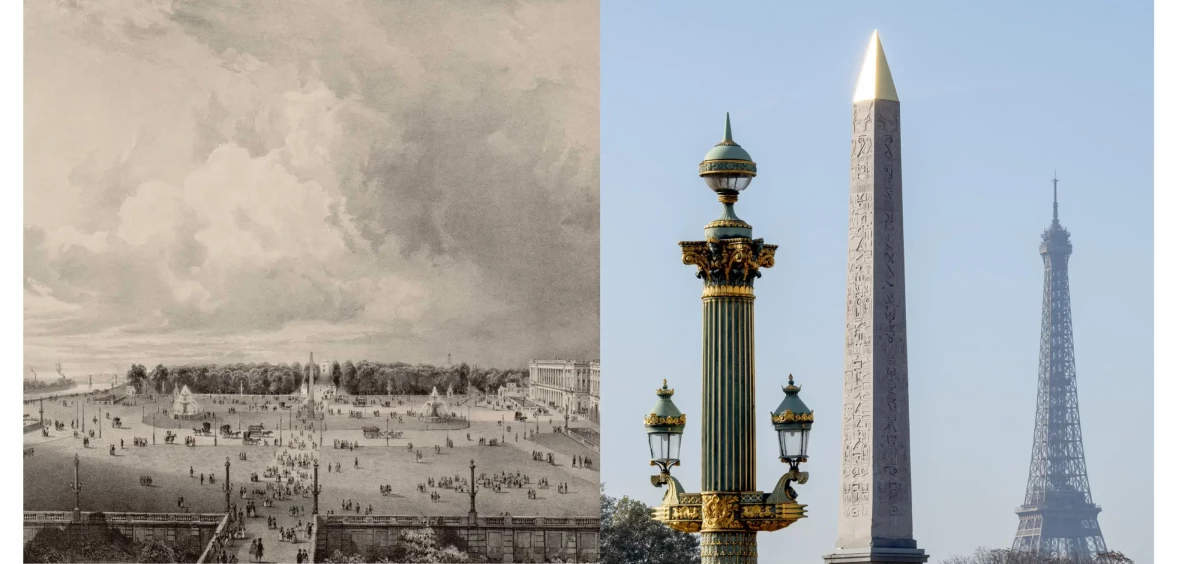
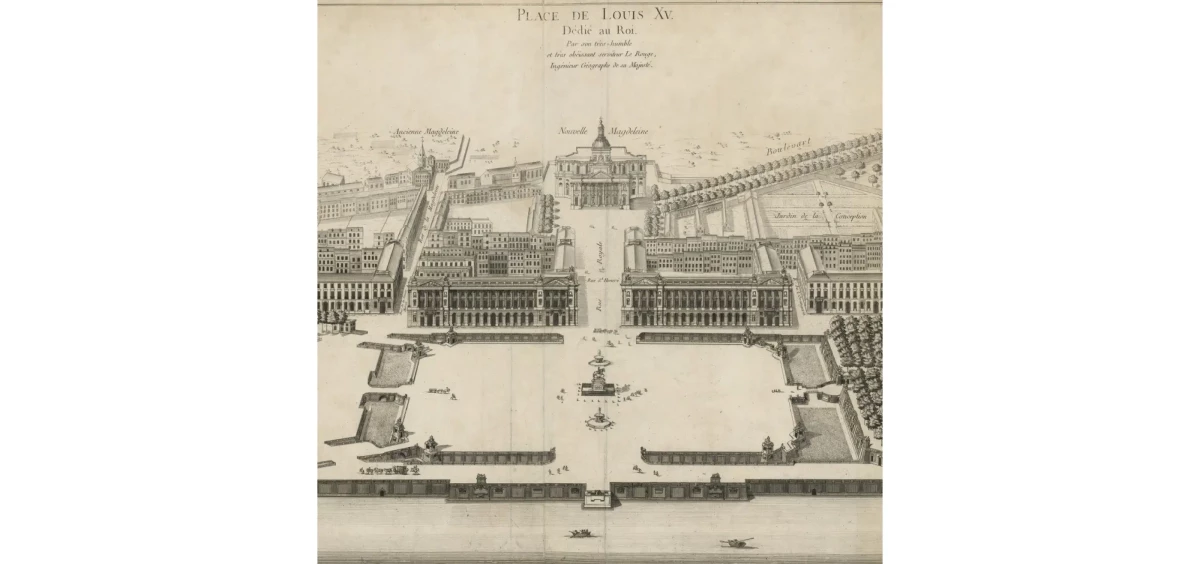
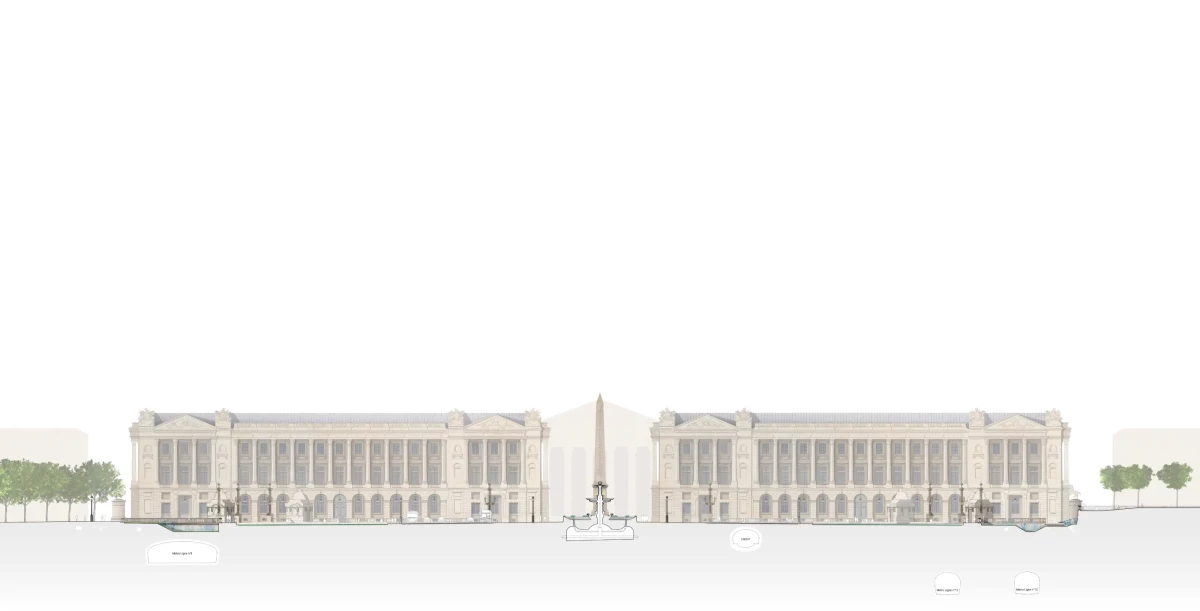
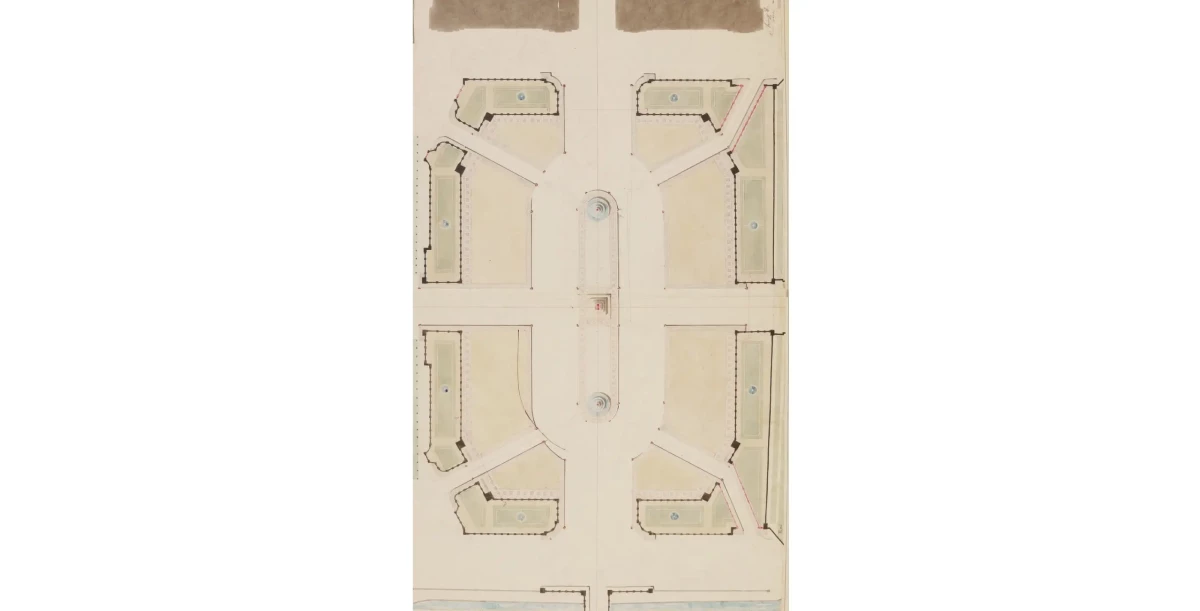
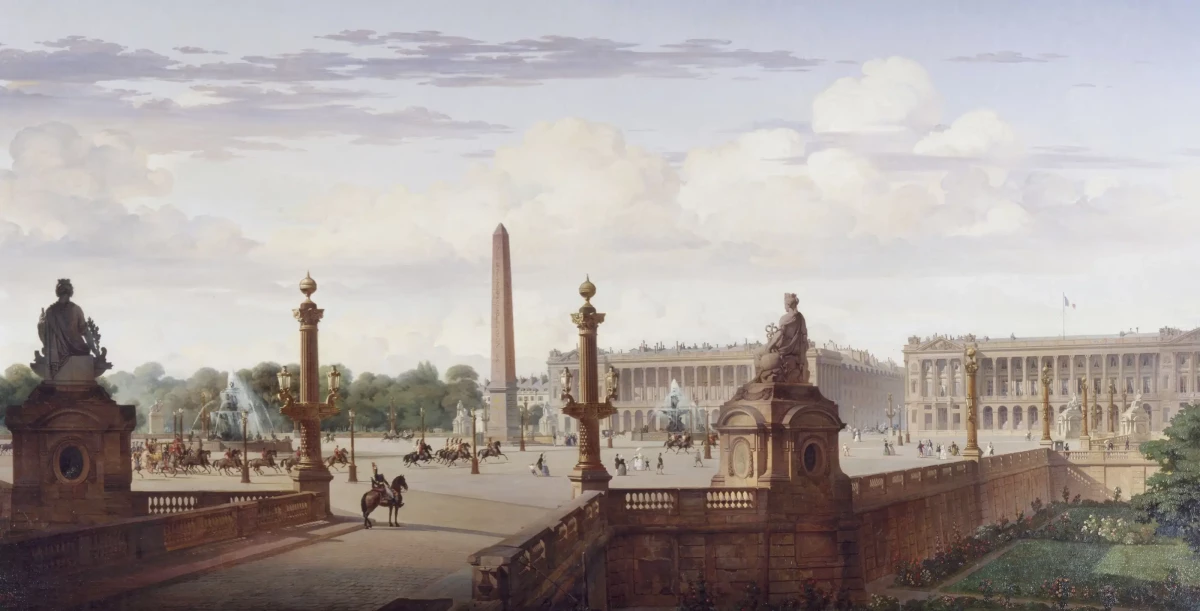
The Place de la Concorde is the last of the royal squares and the largest square in Paris. Its geometric composition is known the world over as one of the defining images of the French capital. Laid out in the eighteenth century by A. J. Gabriel for King Louis XV, it was then transformed in the nineteenth century by J. I. Hittorff to become the Place de la Concorde. Indeed, it has been continuously transformed throughout its history. In the twentieth century it was ceded entirely to motor traffic and became a pale shadow of its former self.
By restoring its identity as a historic square for urban promenades, the project aims to draw on the square’s past by treating heritage and environment as allies.
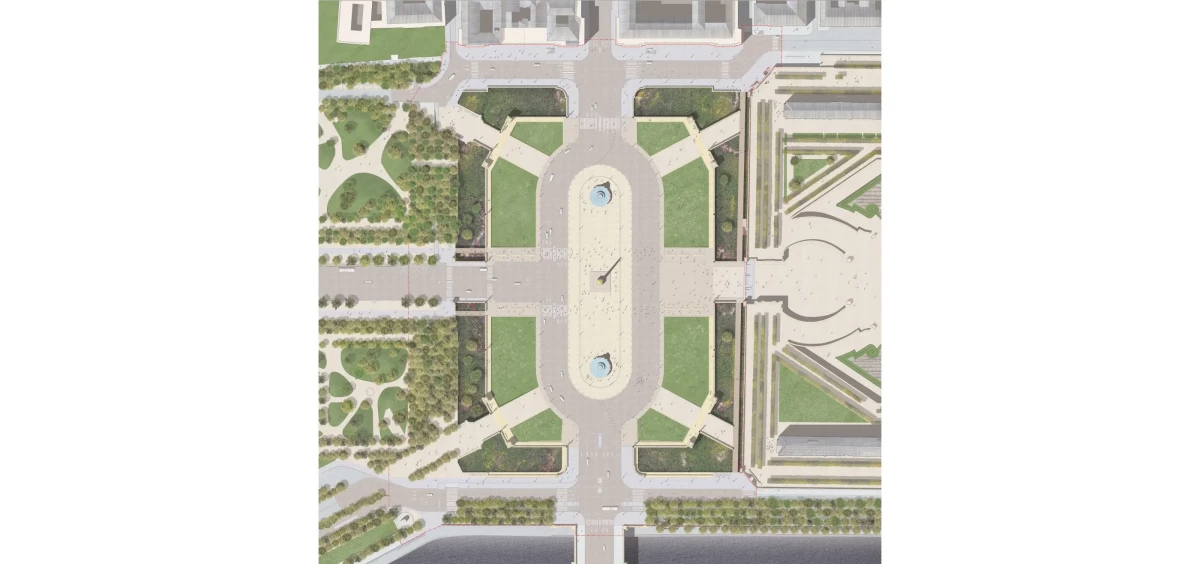
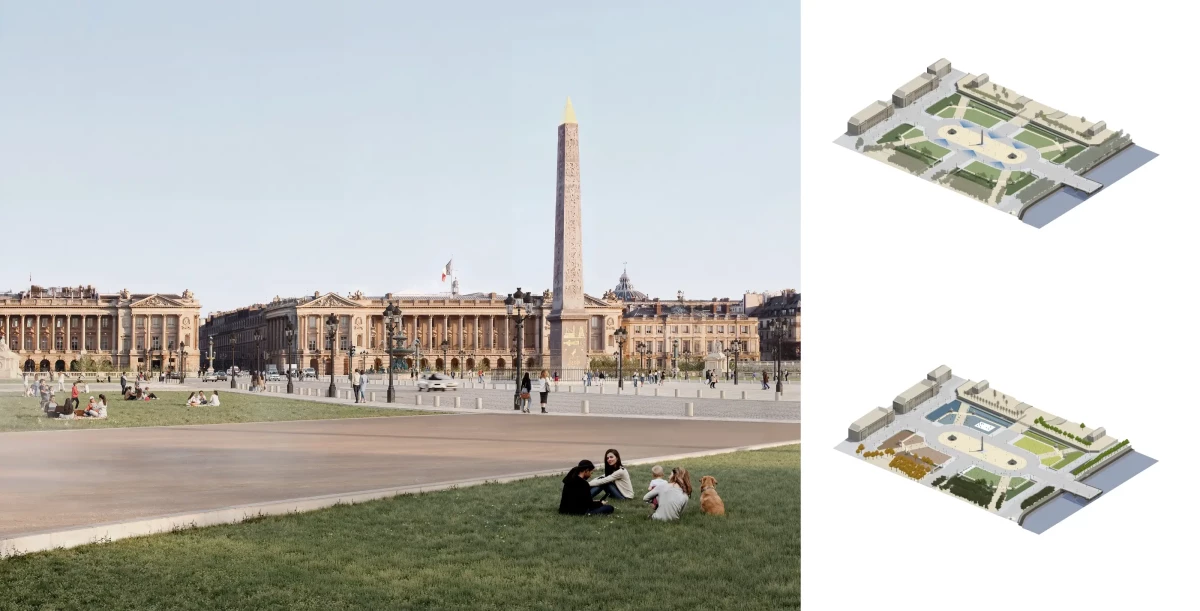
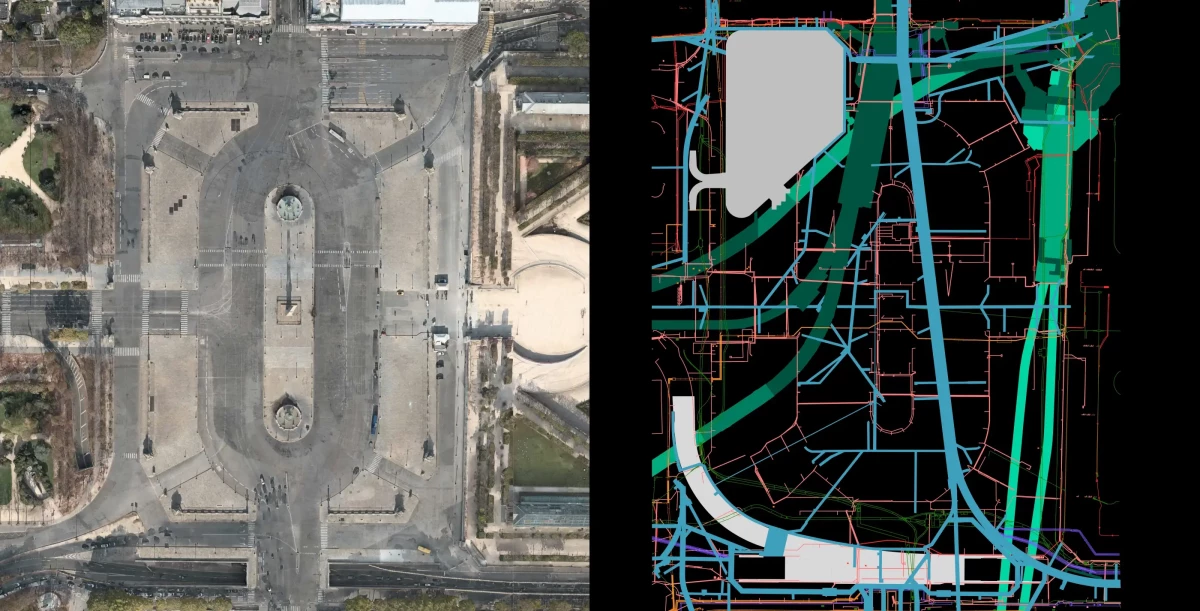
The landscape redesign prioritises sustainable travel and pedestrians. Together they will have access to more than 66% of the total surface area; the area for vehicular traffic will be scaled back and limited to the western section.
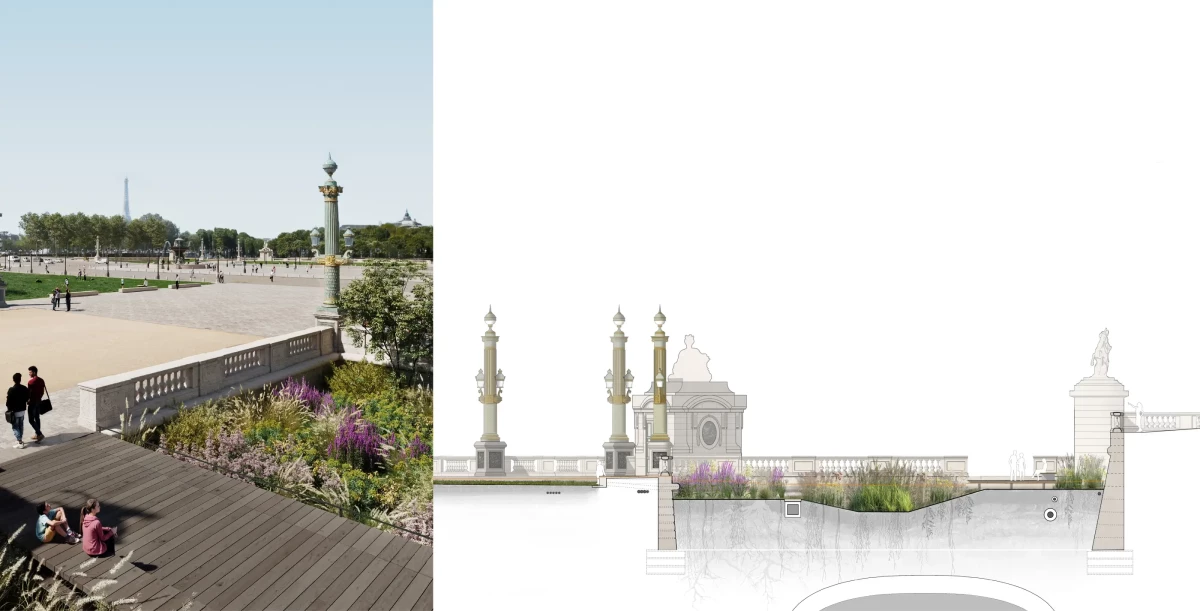
Nearly three hectares will be laid out as green space: the large planted parterres that existed back in the nineteenth century will be recreated as broad lawns for public use; the planted moats formed the boundary of the square when it was created by the architect Gabriel – and in which the pavilion keepers once practised horticulture – are also being reinstated. Planted with vegetation, they will provide cool oases that also collect rainwater and accommodate up to five days of intense rainfall. Half the ground surface will be made permeable, which should reduce surface temperatures by 8 degrees. Every element will work together to limit the urban heat island effect.
At the scale of the grand Parisian landscape, this garden square is a new gift to people on a stroll and forms a link between the Jardin des Tuileries and the gardens of the Champs-Élysées.