Lille Citadel and its surroundings
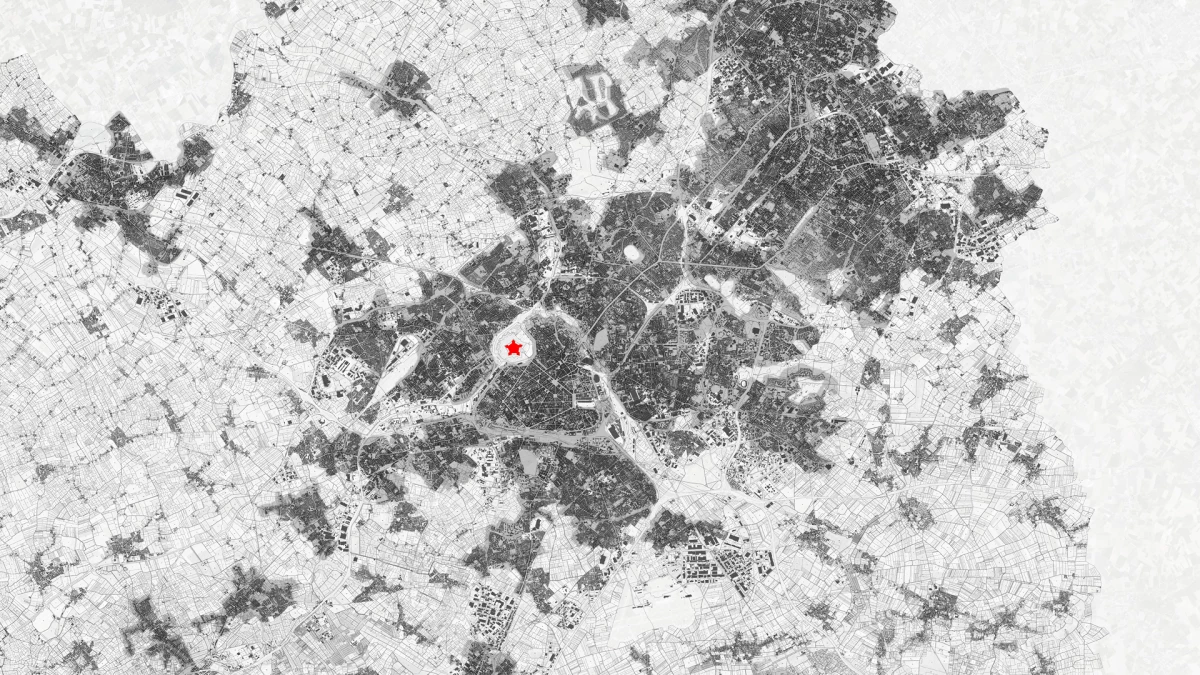
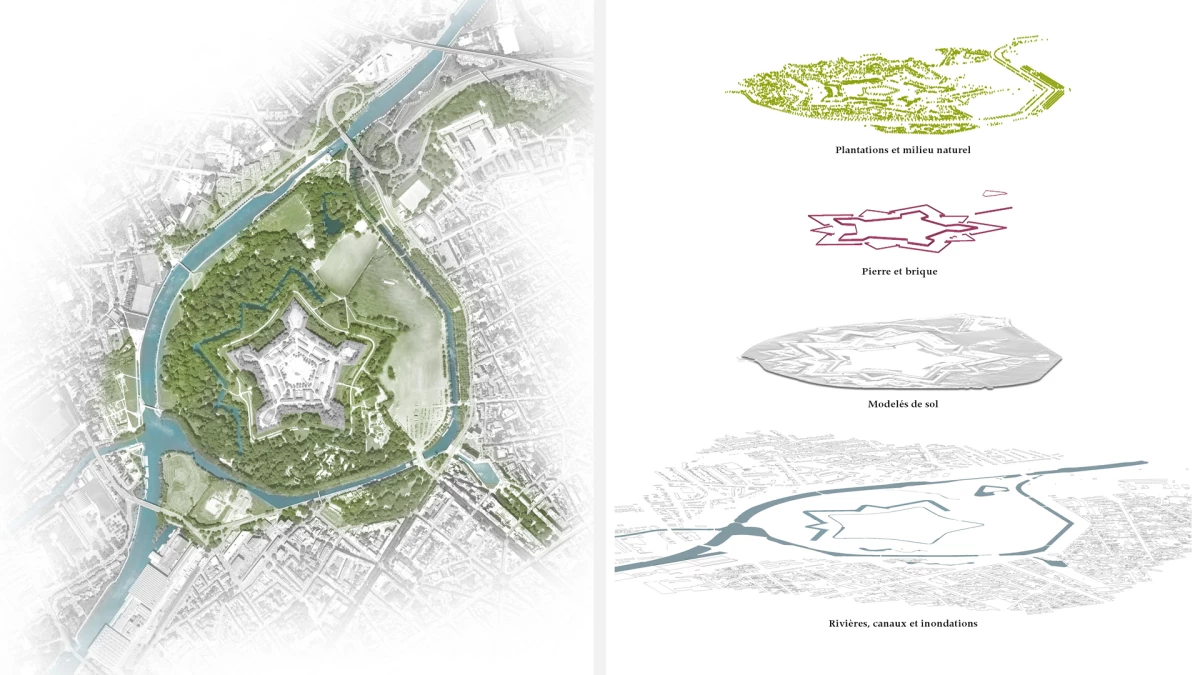
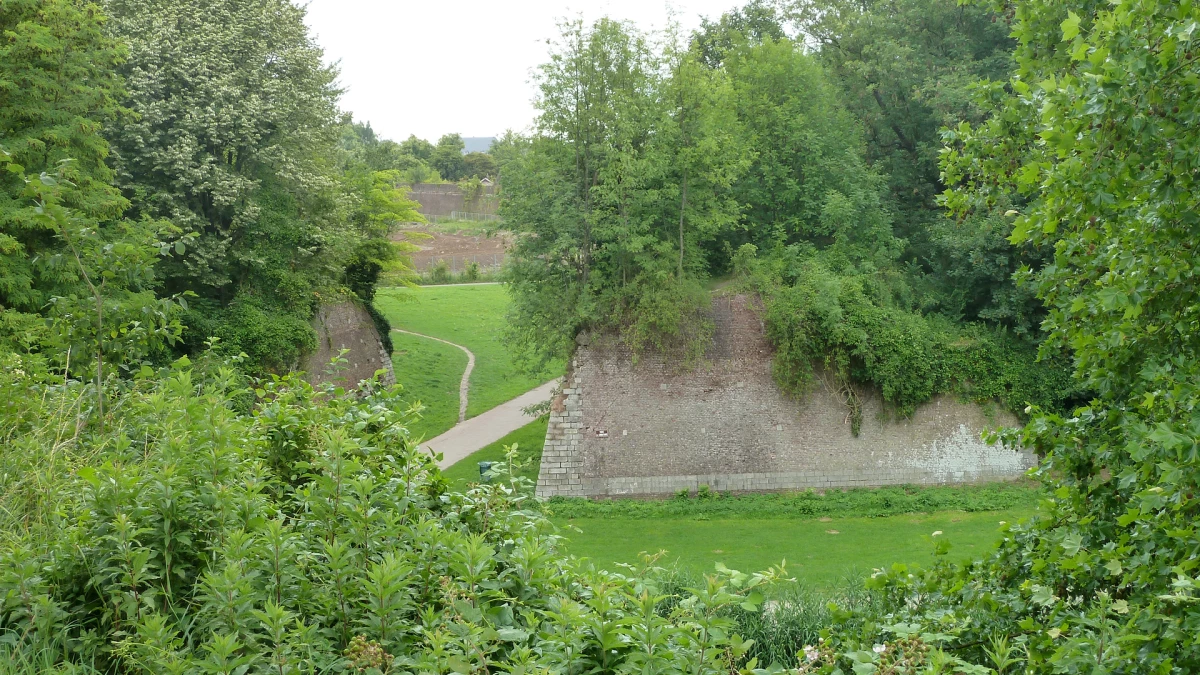
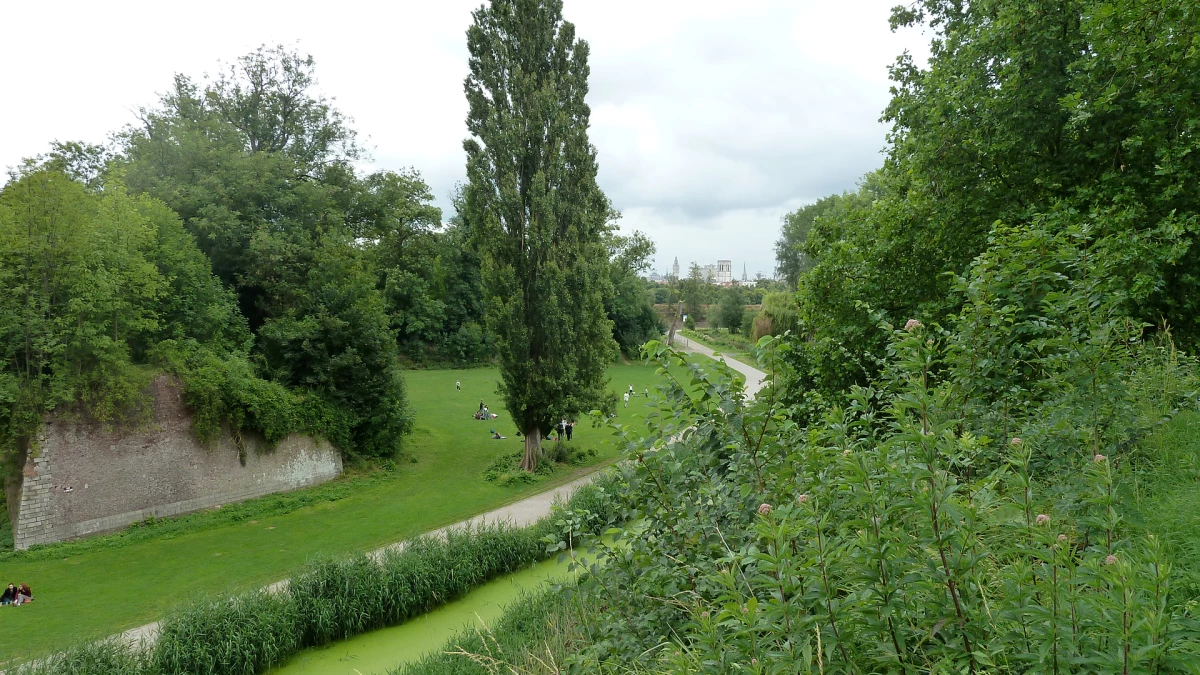
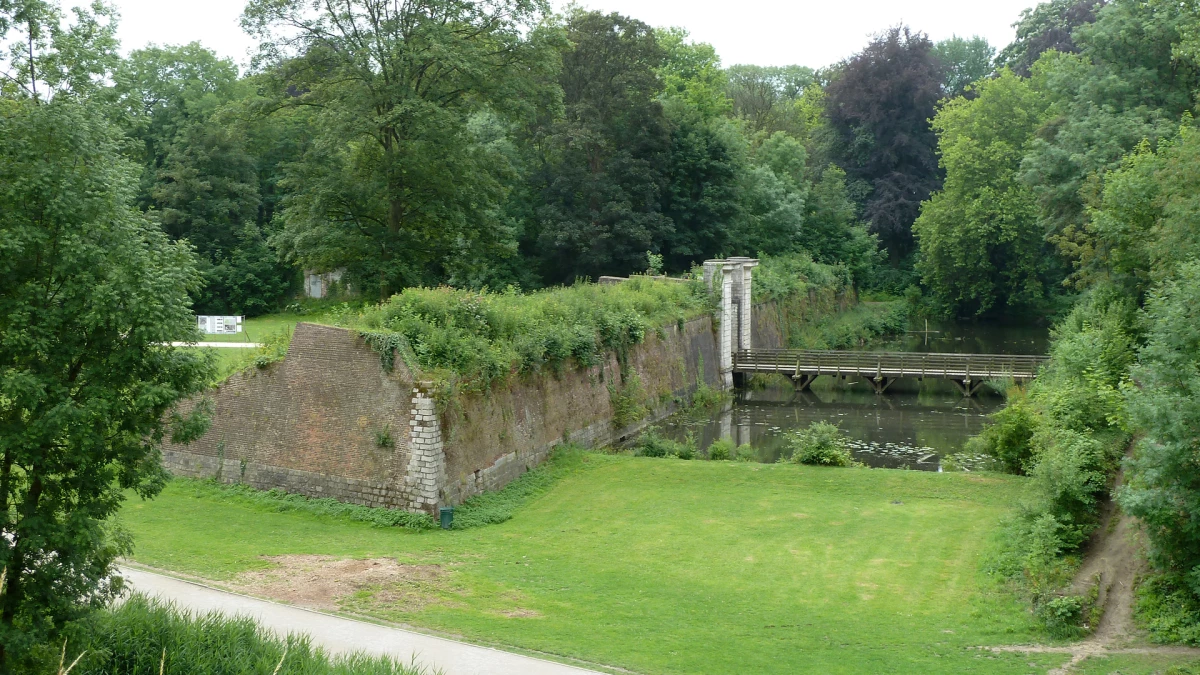
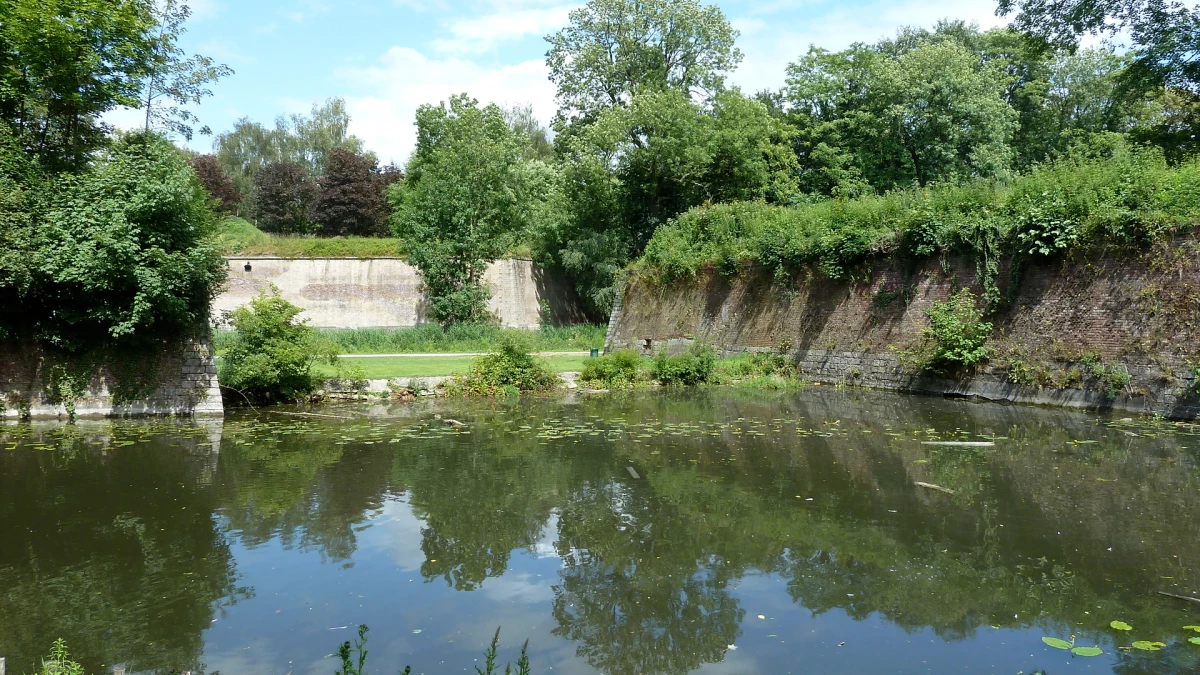
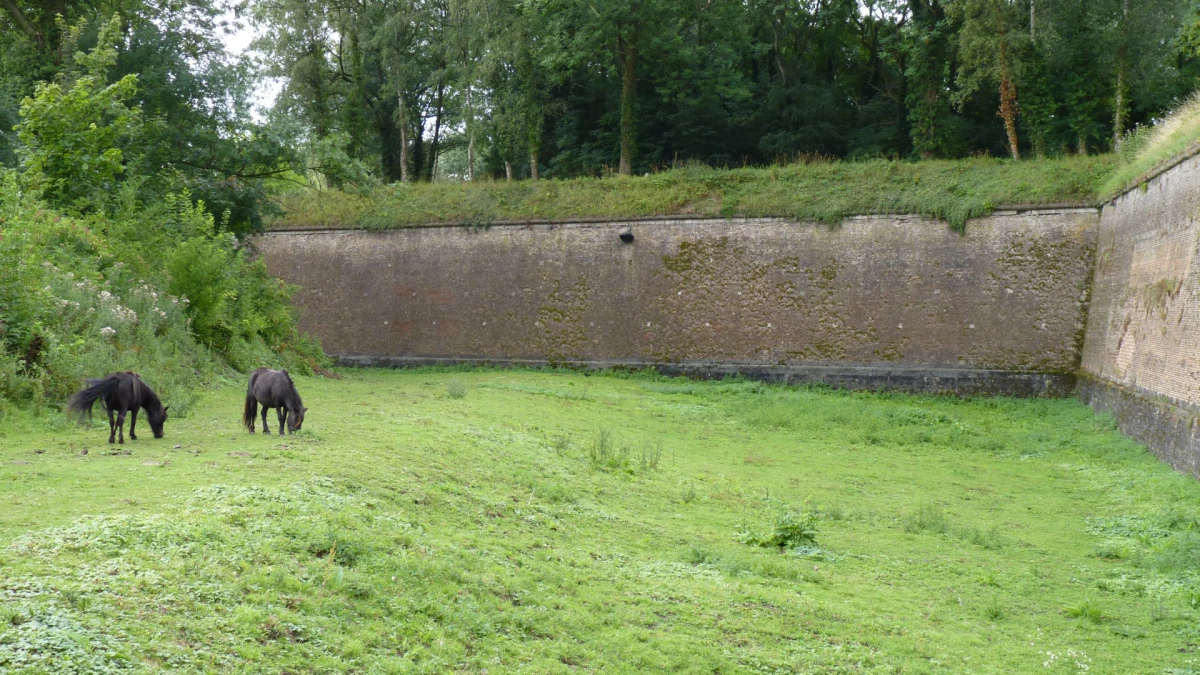
The studio joined a multidisciplinary consortium to refurbish Lille Citadel and conducted a study that cross-referenced the site's heritage with its hydrological and ecological characteristics, and the developed a guiding masterplan. The citadel is an island of green at the heart of its urban area and is currently the largest public park open to the people of Lille.
Lucas Monsaingeon, Project director
Ginger Group, Engineering consultancy
Isabelle Warmoes, Historian
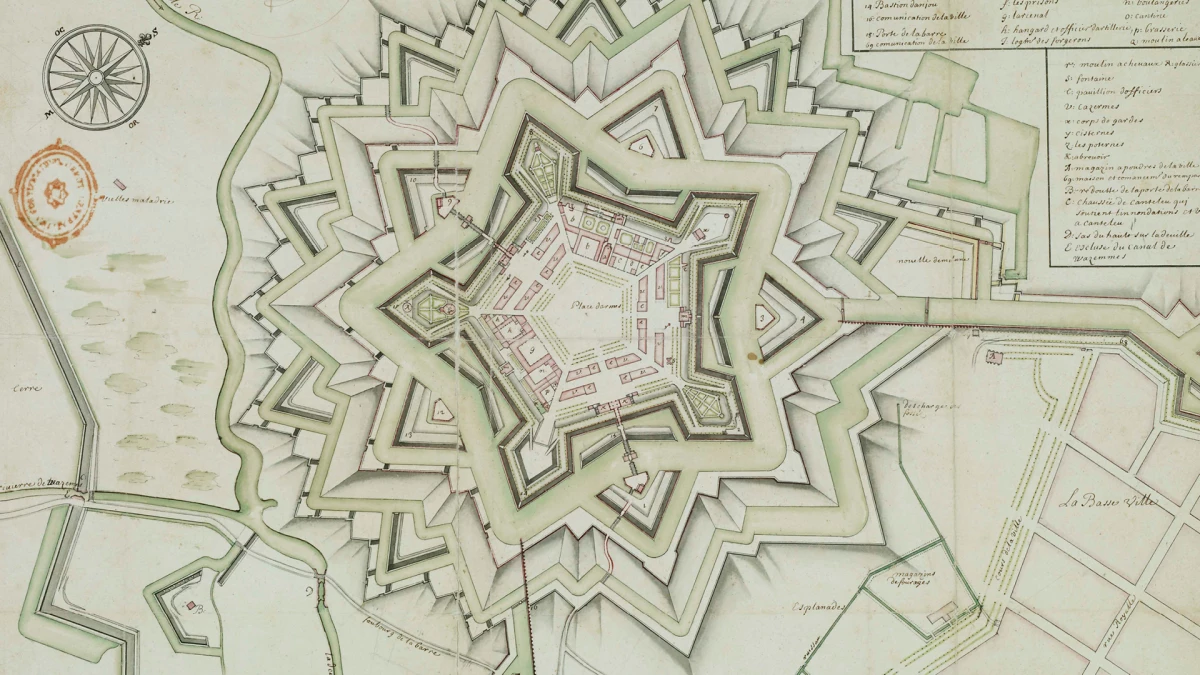
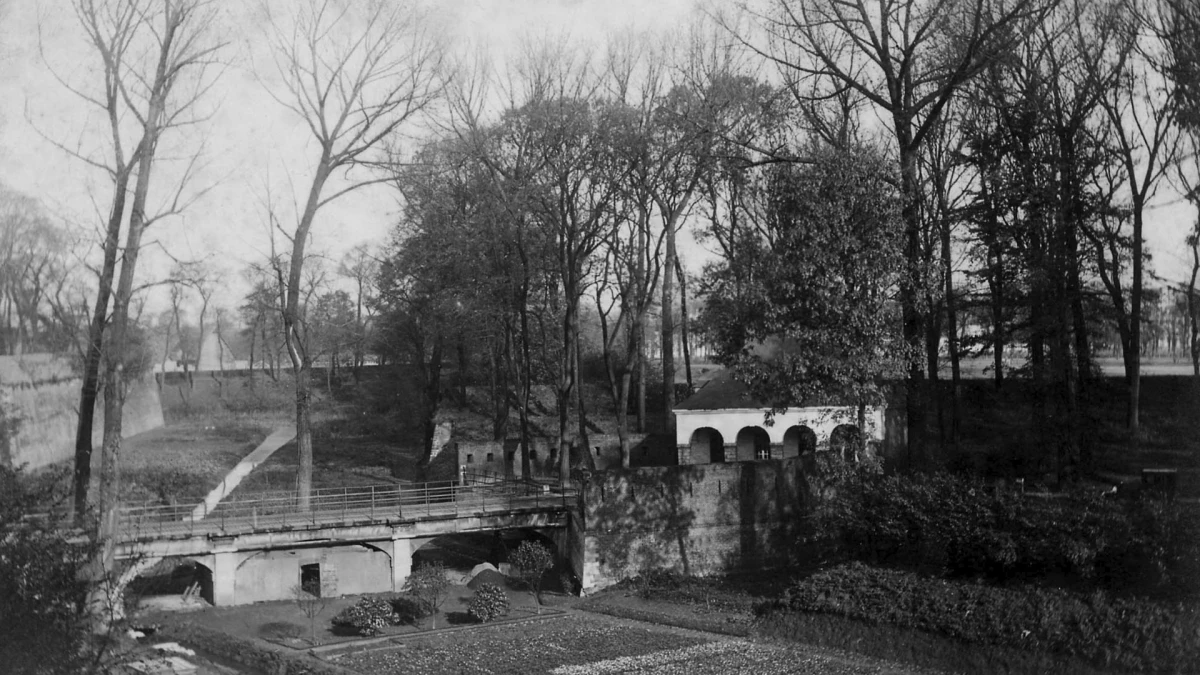
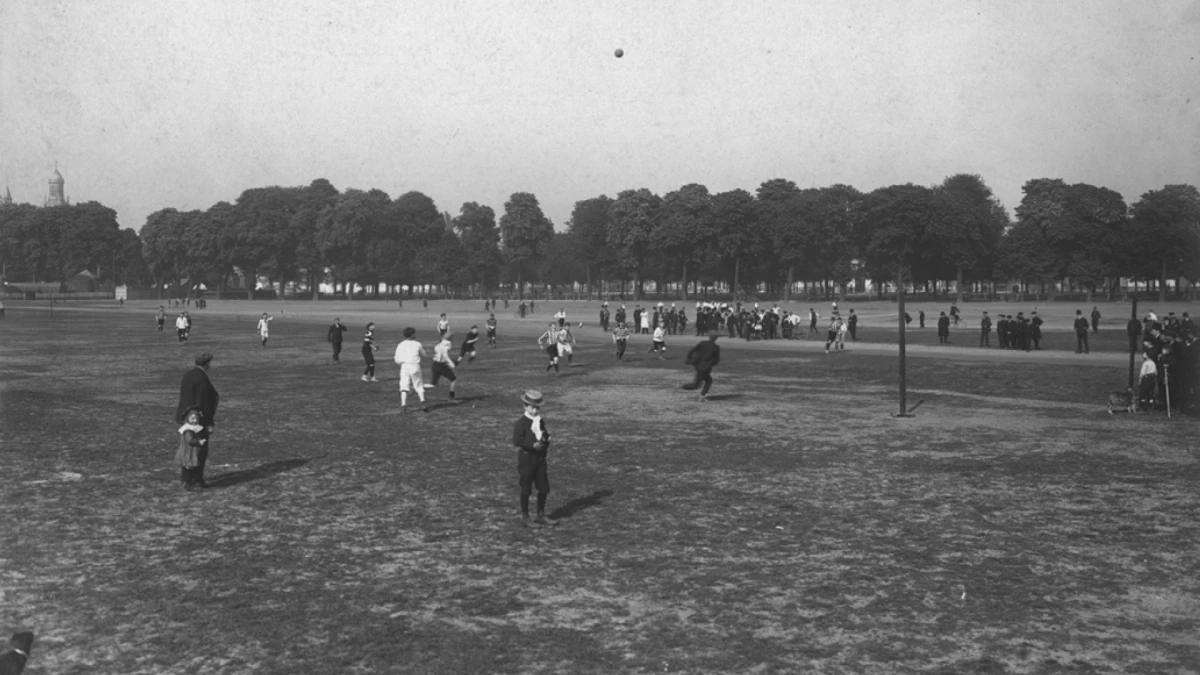
The study covers the citadel island and its surroundings except for the “corps de place” which is a NATO operations centre. The consortium’s multidisciplinary approach involved historians, archaeologists, scientists, architects, urban planners, and landscape architects. This facilitated a cross-disciplinary reading of the site and a thorough understanding of the site's many dimensions, including its heritage, hydraulics, ecology, and more. It was a unique and unprecedented opportunity to shape the future of the monumental site based on its intrinsic characteristics, be those built or planted, inert or living. Significant historical discoveries were made during the process of consulting more than 30,000 documents, which we incorporated into a digital database created for that purpose. A survey of the existing structures’ condition involved a major recording and cartographic programme. It was used to identify historical references to harmonise how heritage measures would then be implemented. This work would then be developed into a long-term guiding masterplan that revolved around three priorities set by the city: heritage/nature/uses. They were incorporated into the local urban planning framework so that the site’s day-to-day management and future development would trend towards a shared, 360-degree understanding of the citadel. The “queen of citadels” – Vauban’s first, and the result of an Italian genius for bastioned fortification and Flemish genius for hydraulics – had been turned into an island by a growing network of canals, but it is now gradually being reclaimed by inhabitants and is currently the largest public park for the people of Lille.