Architecture and heritage enhancement plan for Roubaix
The studio is helping the City of Roubaix to develop its architecture and heritage enhancement plan (PVAP). The document highlights its previously little-known Art Deco and modernist heritage alongside its industrial heritage. It links heritage preservation, urban regeneration, and responses to environmental and socio-economic issues.
Julie Charrier, Project manager
Léonie Cozzolino, Project assistant
Nouveaux Territoires Consultants, Socio-economic analysis, public consultation, and communication
Géographiste, GIS skills, database developer Juripublica, urban planning and heritage law
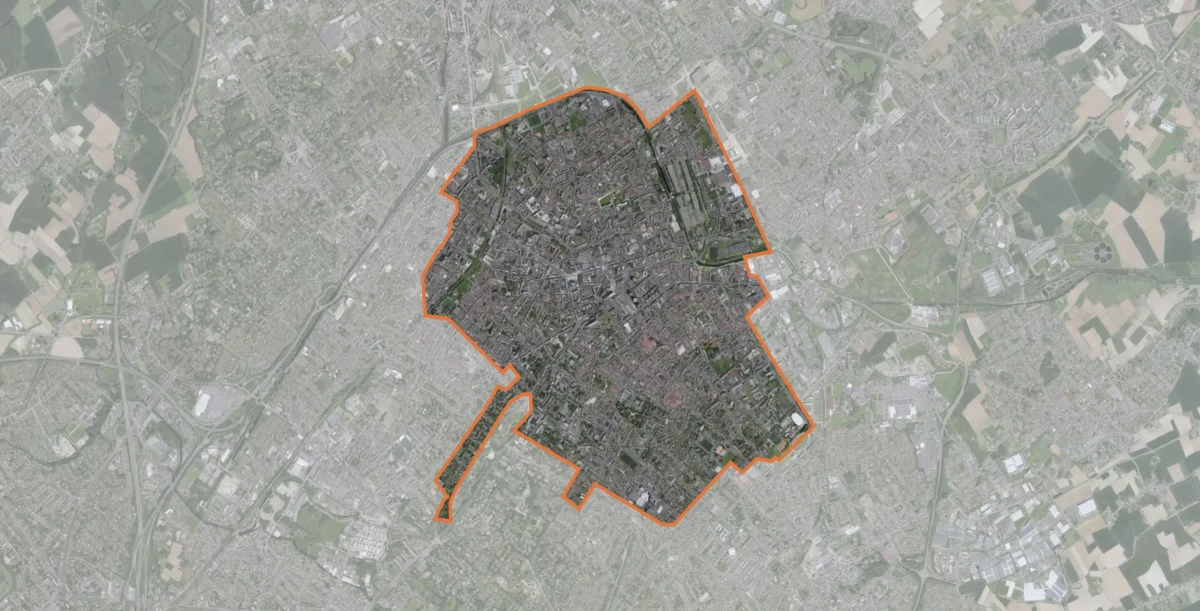
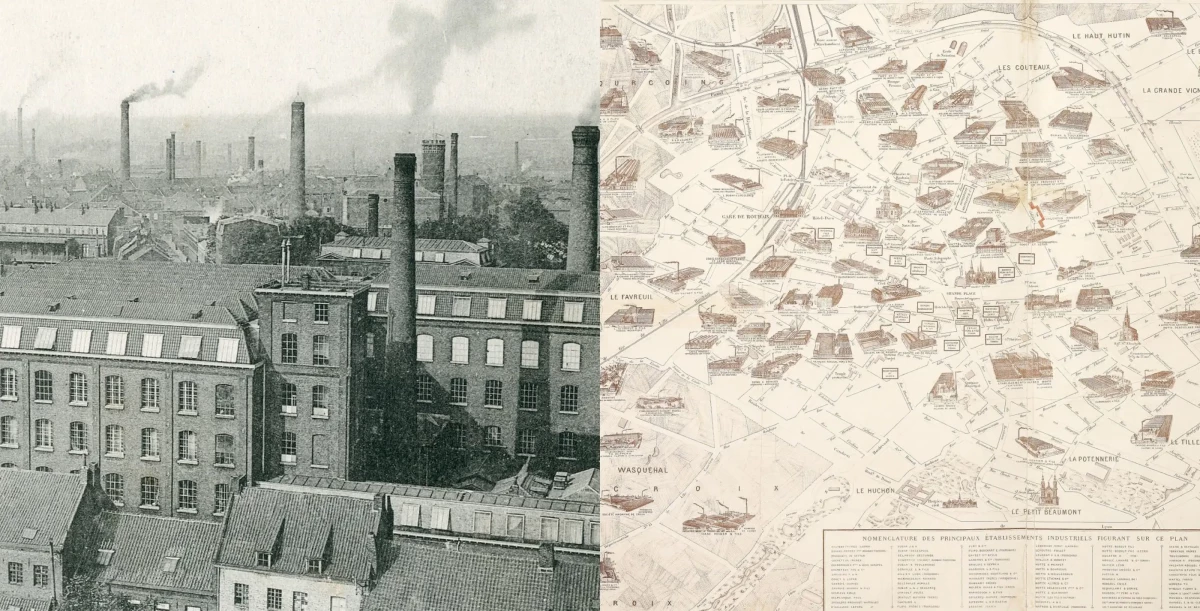
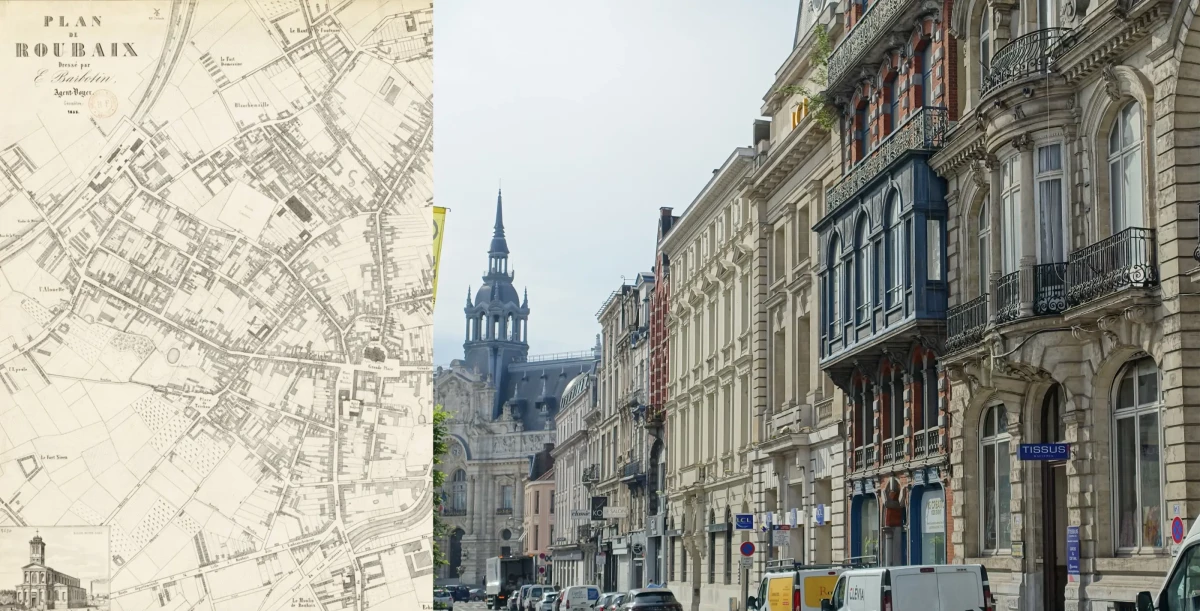
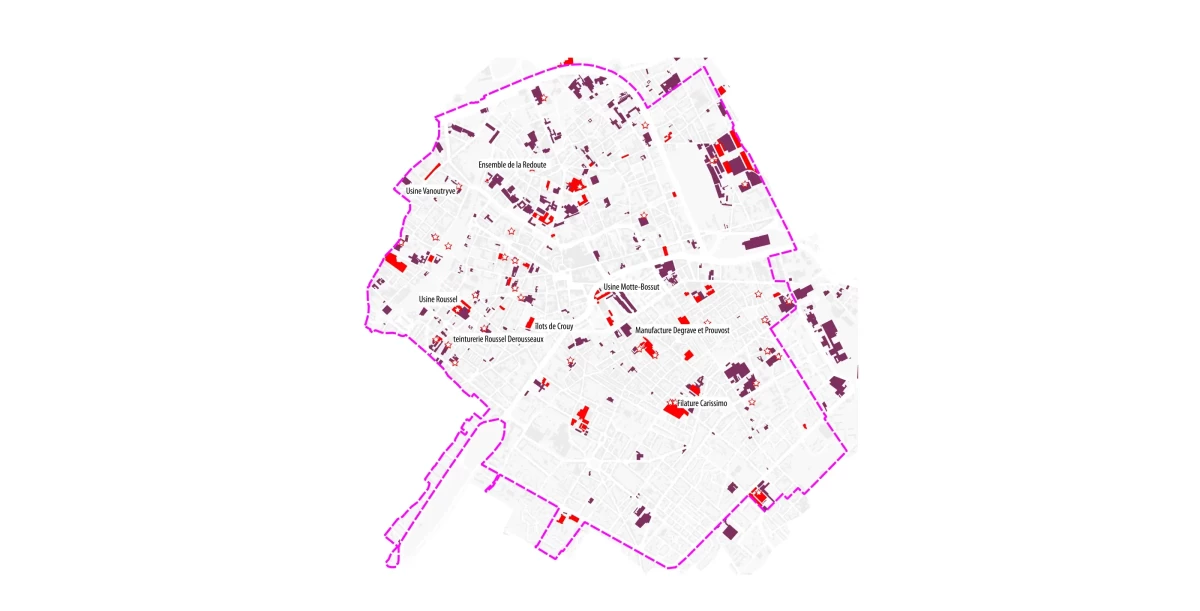
The Remarkable Heritage Site (SPR) of Roubaix covers more than 80% of the local authority’s area, making it one of the most extensive of its kind in France. This vast area bears witness to the city’s extraordinary growth during the industrial period; its size constitutes a heritage element in itself and was reinforced during preliminary studies. Roubaix's heritage illustrates both the richness and the ways in which the urban landscape of the time was organised: the widespread use of brick, the “choque” style of construction, which we see in the regularly aligned façades and repeated volumes, and the monumental, castle-like factory buildings.
But Roubaix should not be reduced solely to its industrial heritage. It also possesses a remarkable and eclectic range of Art Deco architecture and iconic buildings from the modern period, all of which deserve to be recognised and enhanced. It has highly diverse architectural typologies and a range of origin stories for how it and its neighbourhoods developed. This heritage needs to be approached carefully and with nuance. A broad understanding of heritage helps found a new way of thinking about the city and renewing its urban imaginaries.
With this in mind, the studio helped the City of Roubaix revise its protected zone for architectural, urban, and landscape heritage (ZPPAUP) by preparing its architecture and heritage enhancement plan (PVAP).
We aimed to adapt the regulatory framework to contemporary challenges while preserving Roubaix's identity. This involved reconciling heritage preservation goals with urban regeneration and addressing environmental, social, and economic issues faced by one of the poorest cities in France, as well as ensuring proper coordination with projects currently underway.
Revising of the Remarkable Heritage Site documentation also meant to speed up the permitting application process, develop the general public’s understanding of the scheme, and ensure better recognition for all of Roubaix's heritage assets, including its landscape heritage and its 20th and 21th century architecture.