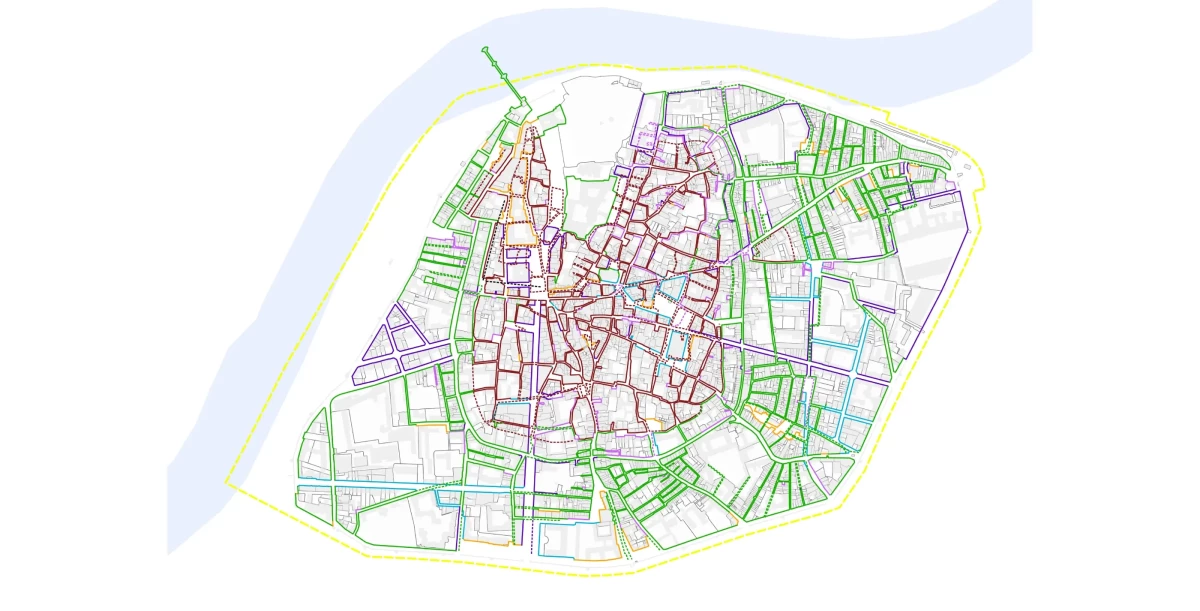
Conservation and enhancement plan for the Remarkable Heritage Site for Avignon
Updating the conservation and enhancement plan for the historic centre of Avignon, which is recognised as a Remarkable Heritage Site, allowed the local authority and residents to deepen their understanding of this shared heritage asset, foster a broader sense of collective ownership, and use and embrace it as a foundation for shaping their future together.
Jean Pierre Serna, Project manager
Léonie Cozzolino, Project assistant
Symoé, Environmental consultancy, technical and thermal analysis
Nouveaux Territoires Consultants, Socio-economic analysis, public consultation, and communication
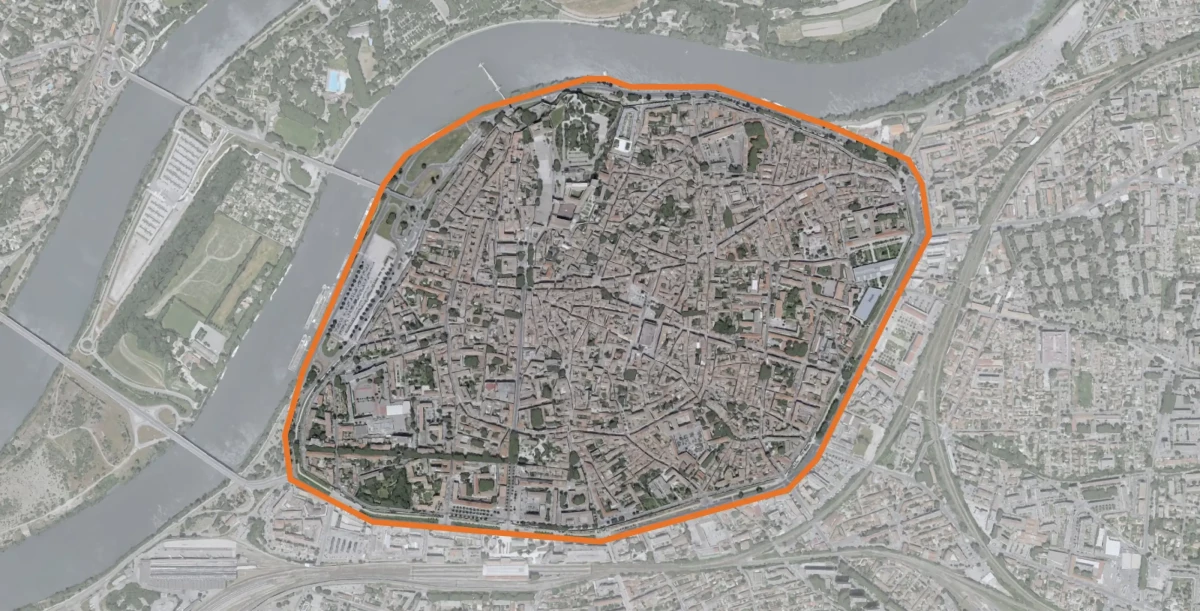
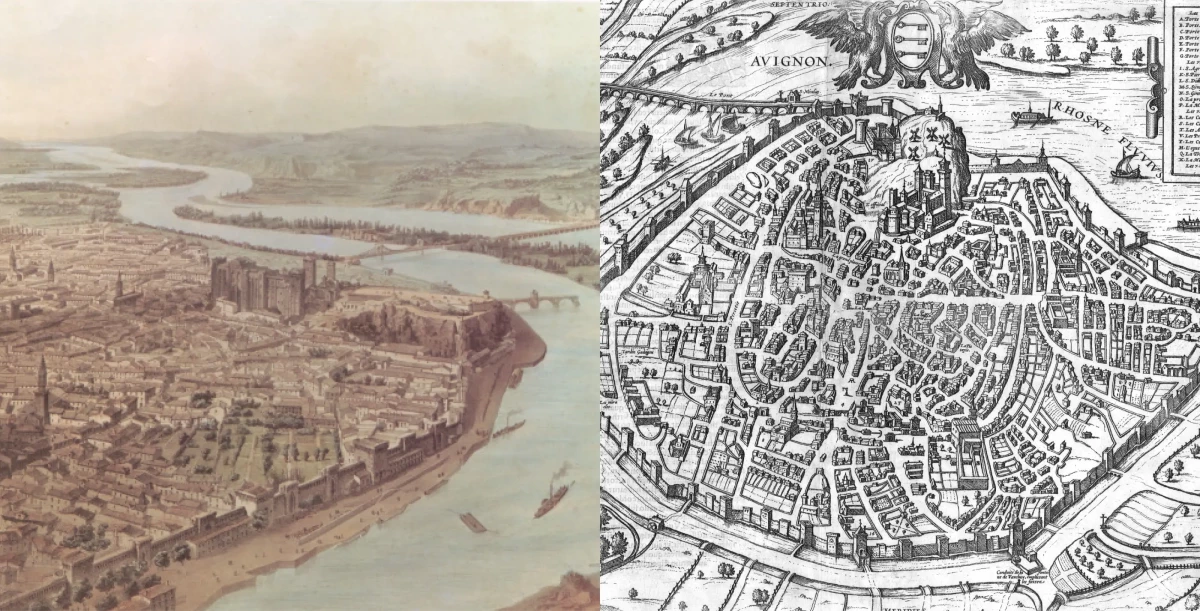
The historic centre of Avignon is notable for the high quality and density of the historic heritage within its walls. It is a physical and symbolic focal point for a culture shared by a wide range of people with different relationships to the city including residents, visitors from many countries, professionals, and audience members attending the famed theatre festival.
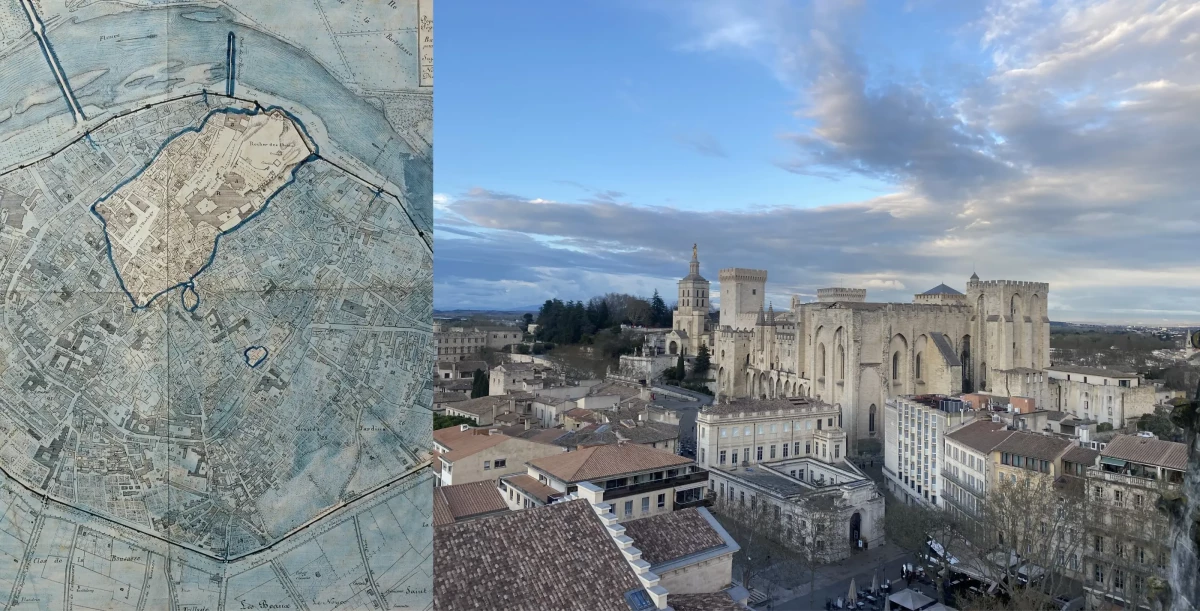
The Remarkable Heritage Site contains approximately 145 listed historic monuments, about a third of all the monuments in the Vaucluse department. The best known are the Palais des Papes complex and the Pont Saint-Bénezet, known as the Pont d'Avignon, which are inscribed on the UNESCO World Heritage List.
The original conservation and enhancement plan had been in force since 2007. The updated version needed to provide ways for non-specialist audiences to deepen their understanding of the heritage assets and better address the needs, goals, and desires of users in the city centre so that it would be more liveable and accessible for everyone.
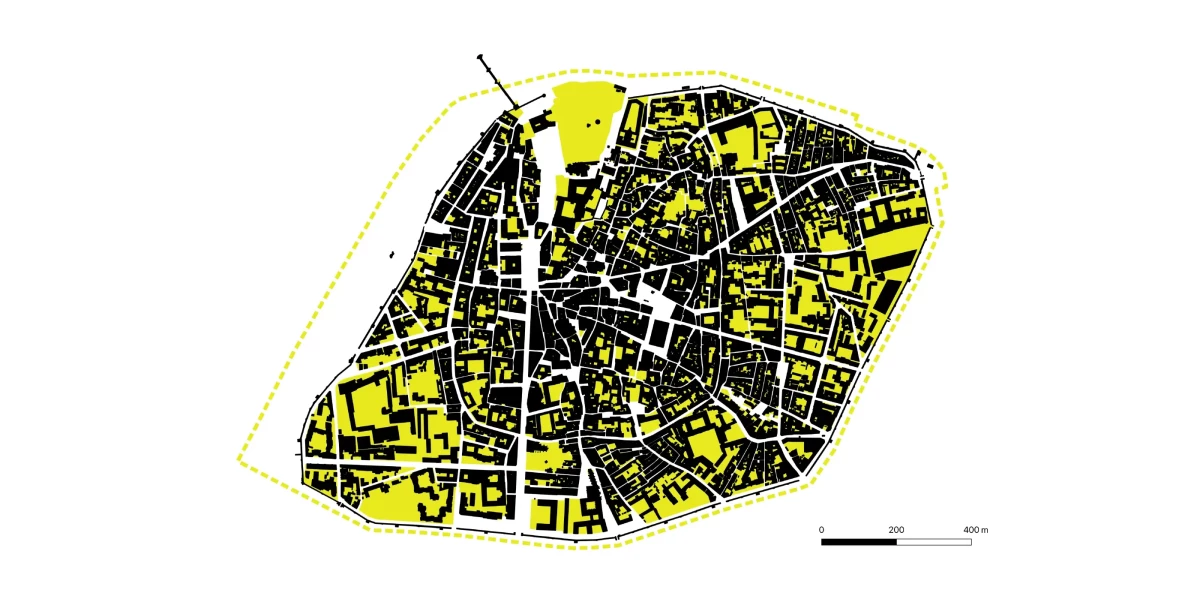
We conducted a comprehensive survey to update and incorporate knowledge of the heritage environment and incorporated new information gathered during rigorous fieldwork.
The management document addresses quality-of-life issues specific to the site; we catalogued issues related to planning process, which pointed to areas for potential improvement. More modern tools were needed including new technologies and educational materials. This modernisation effort aimed to make it easier to process planning applications and share information between technical departments and project owners who work within the Remarkable Heritage Site. It also aimed to promote more and better contact between institutional and private stakeholders.