Conservation and enhancement plan for the Saint-Omer Remarkable Heritage Site
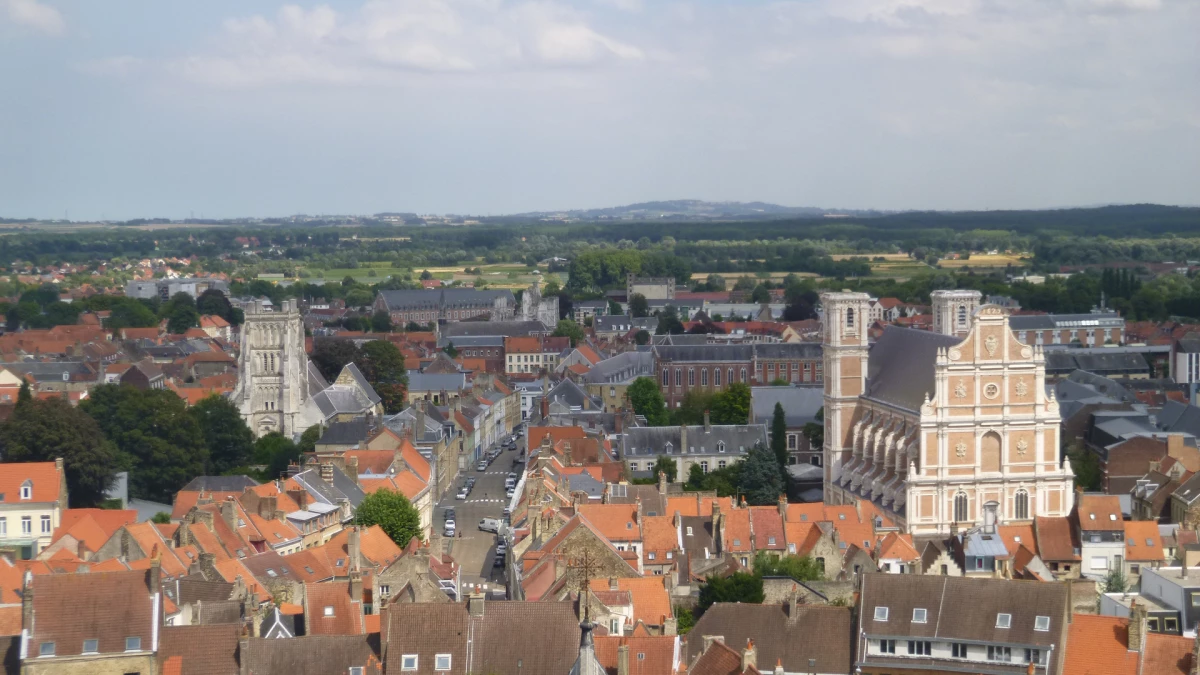
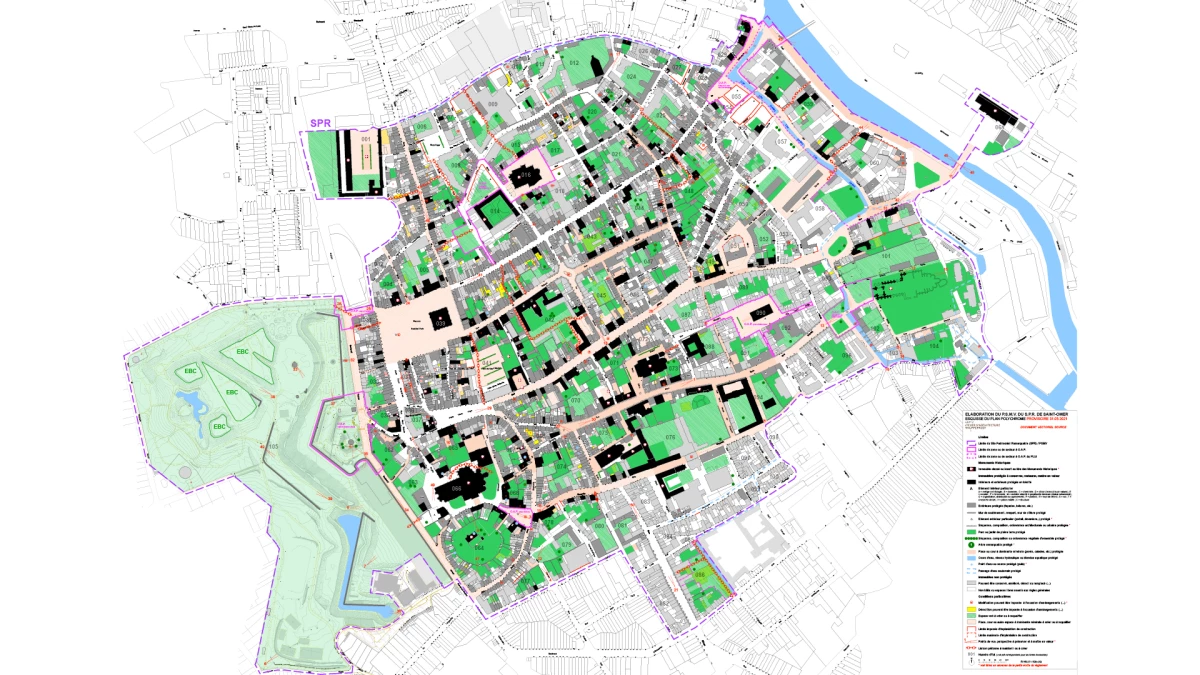
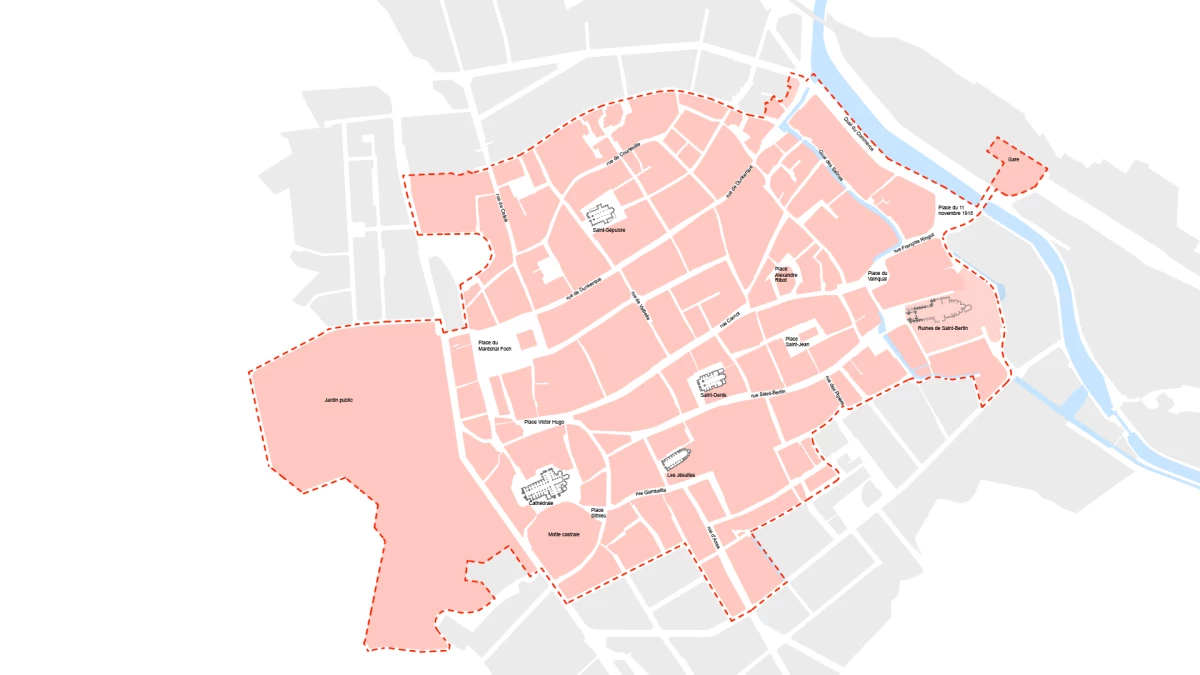
The studio developed the conservation and enhancement plan (PSMV in French) for the Remarkable Heritage Site of Saint-Omer by assessing its architectural, urban, and landscape heritage alongside and analysing its environmental and socio-economic stakes. The result is a comprehensive plan for the 21st-century city, which is already in use.
CAPSO – Urban Community of the Saint-Omer Area
Julie Charrier, Project manager
Nouveaux territoires, Economic and social consultancy
In-folio, Landscape architect
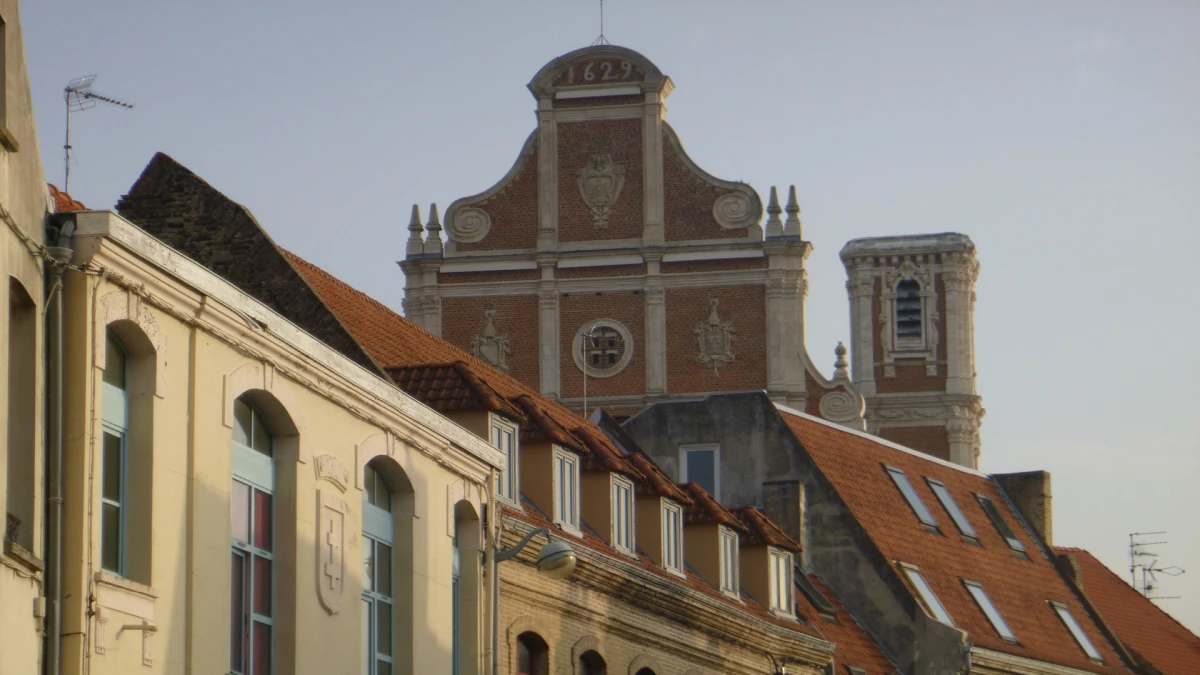
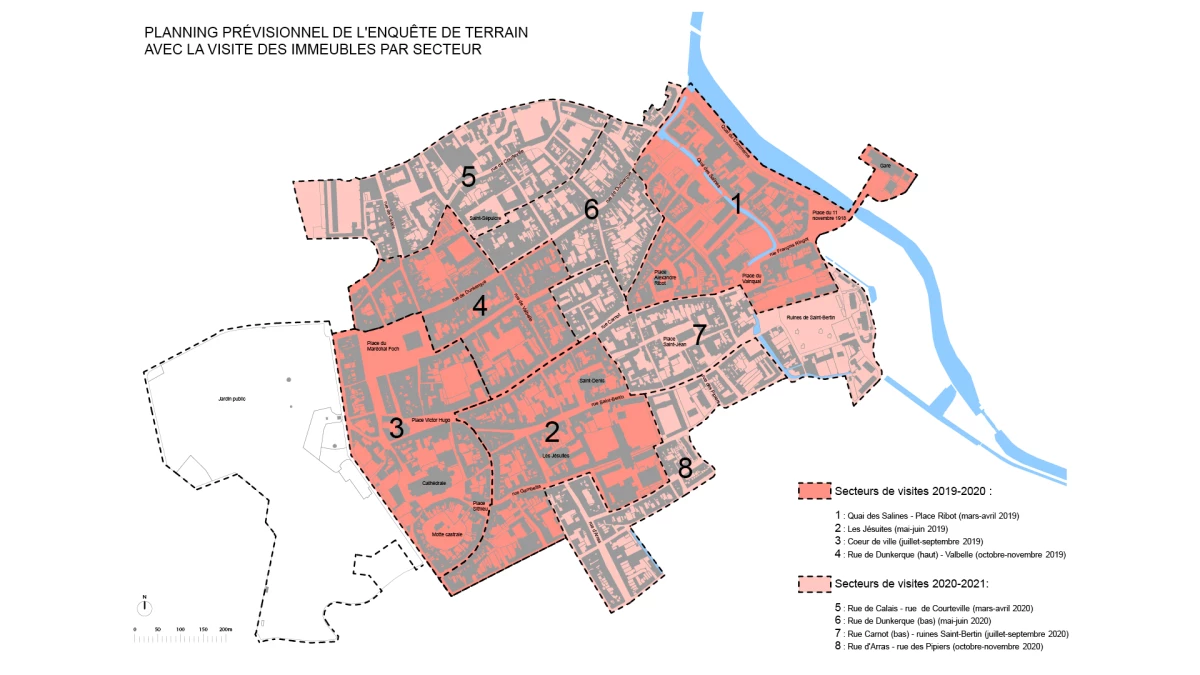
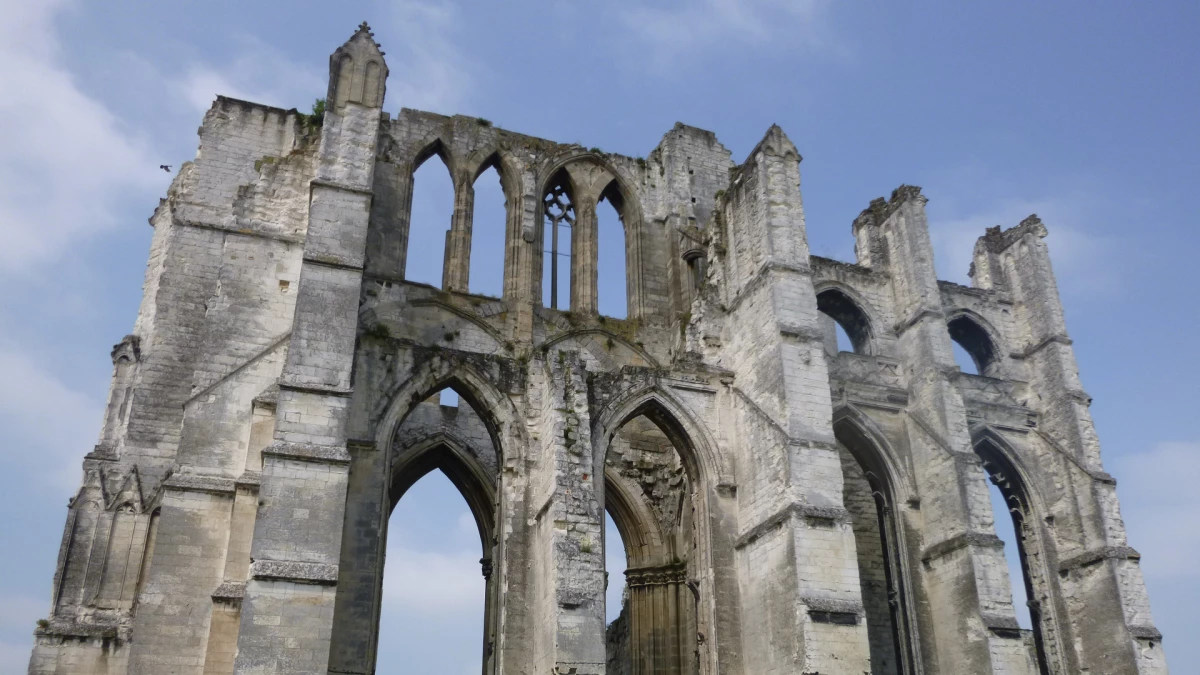
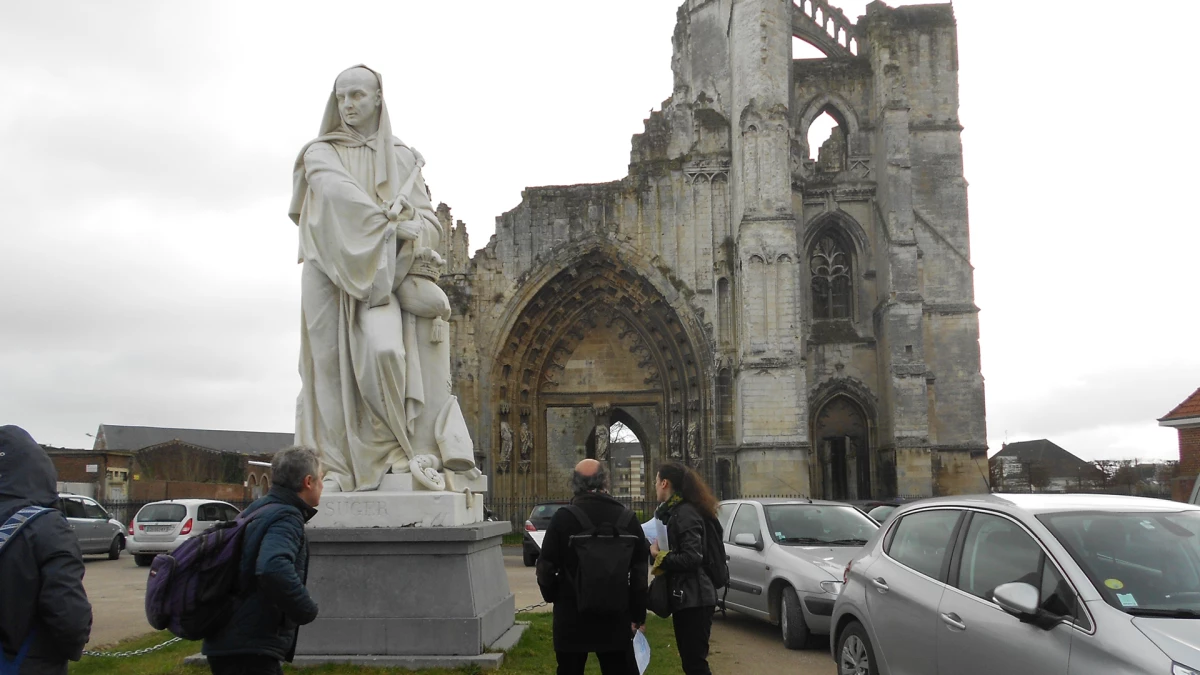
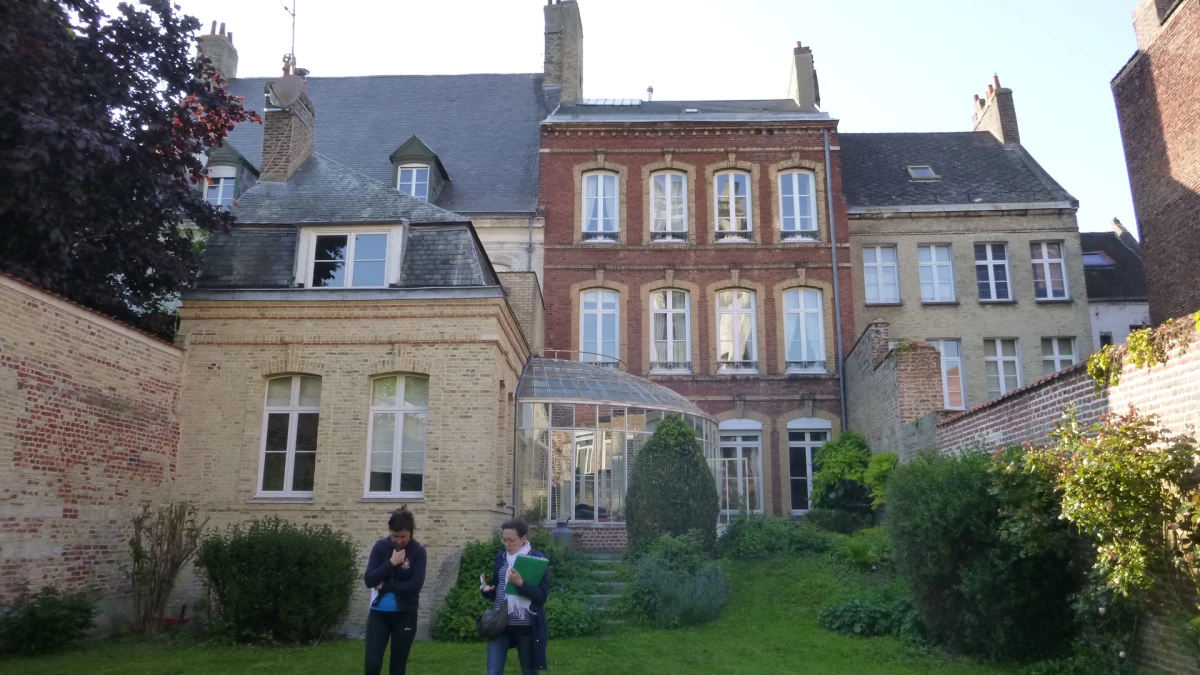
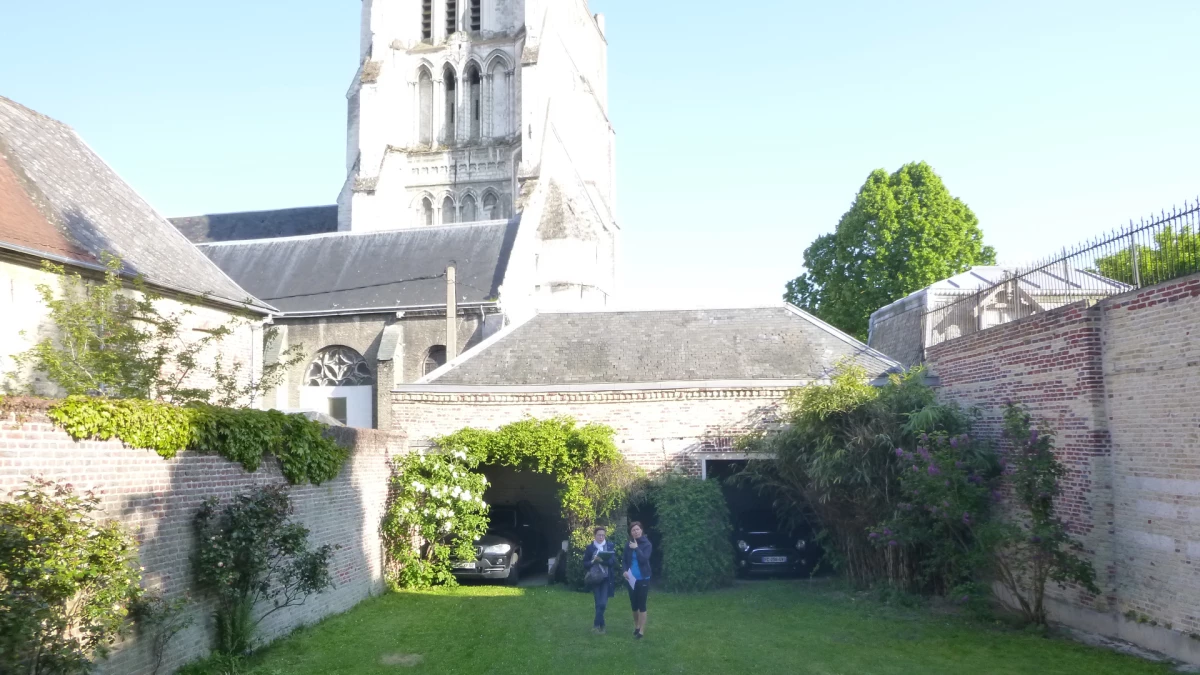
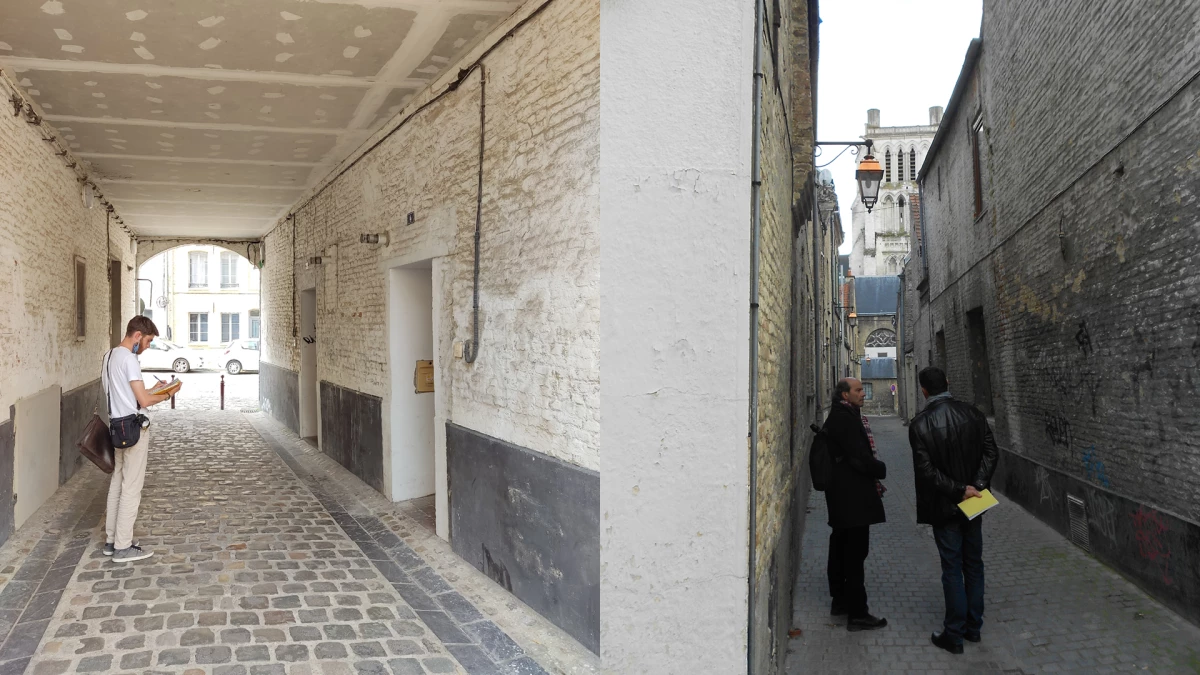
The conservation and enhancement plan (PSMV) for the Remarkable Heritage Site of Saint-Omer began with an inventory of 2,800 parcels and produced more than 2,100 individual building records. This meticulous work revealed the importance of the city’s religious, military, civic, and residential heritage in its broadest sense. Stakeholders (re)discovered the city’s mediaeval underground layers (in particular a vast complex of Gothic cellars), revealed new information about how the city had been transformed over the centuries (e.g., with eighteenth- and nineteenth-century townhouses built on mediaeval plots), and highlighted many relatively well-preserved and richly decorated late nineteenth- and early twentieth-century interiors. The study also raised awareness about how much green space exists in interior courtyards in a city that is perceived as being predominantly built out when viewed from the street side.
The studio approached the PSMV in a comprehensive way. We used complementary approaches to address three operational plans for the twenty-first-century city: one residential, one economic, and one to improve and manage public spaces.
Together these three plans involve preserving and enhancing courtyard interiors; promoting alternative approaches to residential parking; diversifying hyperlocal services available to citizens; pursuing efforts to fully use the existing private housing stock; improving energy efficiency; and adapting the city to new uses and practices. Significant improvements to quality of life will increase the overall appeal of the city centre – and consequently for the city and entire local area. The PSMV also sets high goals for environmental issues, particularly for preserving parks and gardens and renaturing the ground with open-soil planting.
It has been in use since 2024 and has been designated an “exemplary project” by the Direction Générale des Patrimoines et de l'Architecture (DGPA).