Cité International de la Langue Française, Logis Royal and Château Jeu de Paume
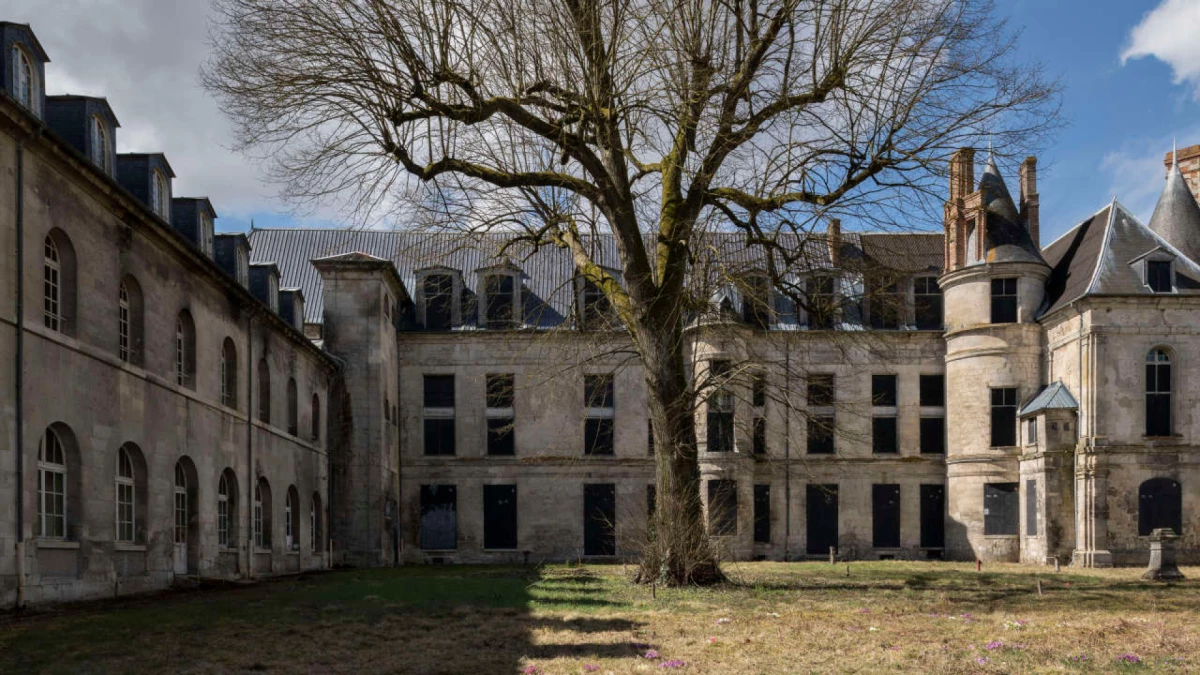
The Château de Villers-Cotterêts is known for being the place where François I signed a famous royal ordinance in 1539. In architectural history, it's also a key milestone in the founding of French-style architecture by master masons Jacques and Guillaume Lebreton and the architect Philibert Delorme.
Dévocité, Audiovisual and multimedia design
Scénévolution, Design of performance venues
8’ 18’’, Spotlight
Designers Unit, Signage
Domino studio, Sound design
Handigo, Accessibility, ergonomics and disability
Studio DAP, Acoustic
Egis nord, Engineering consultant (general contractor)
BMF, Economist
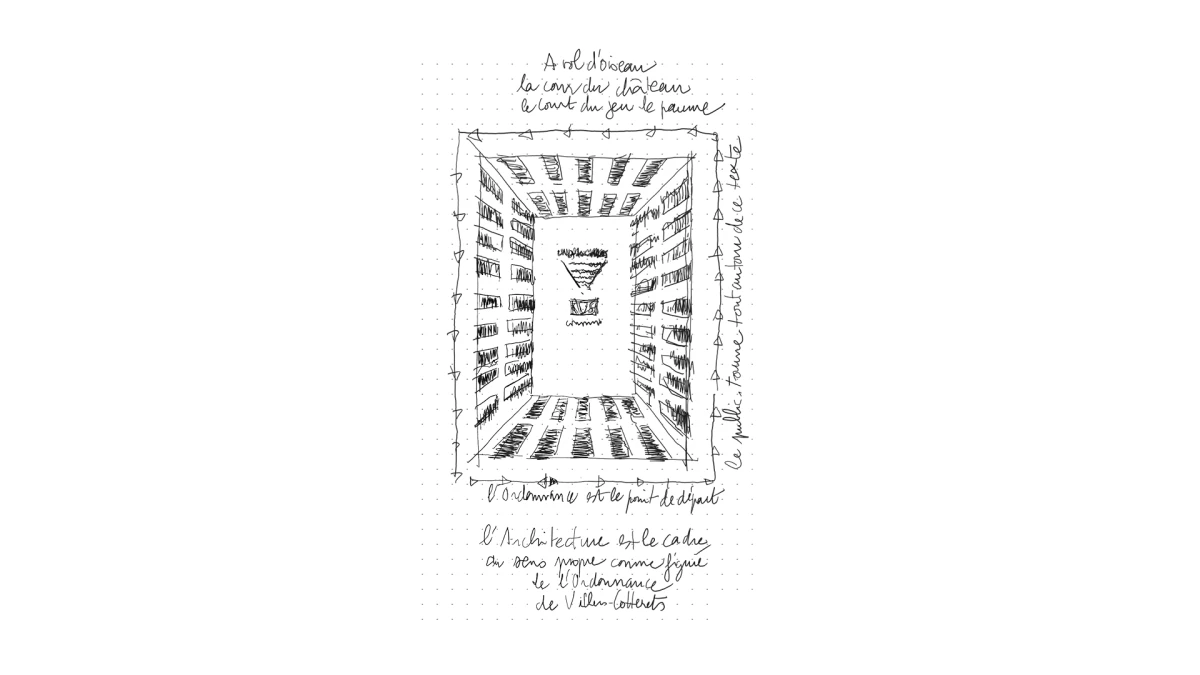
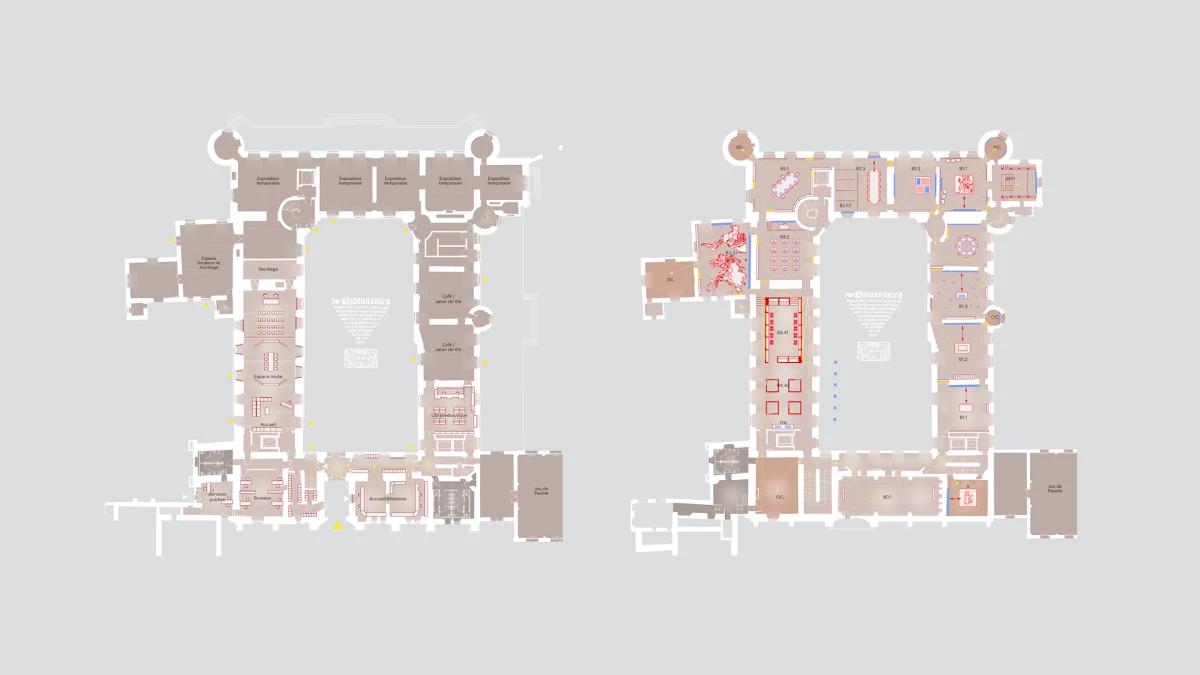
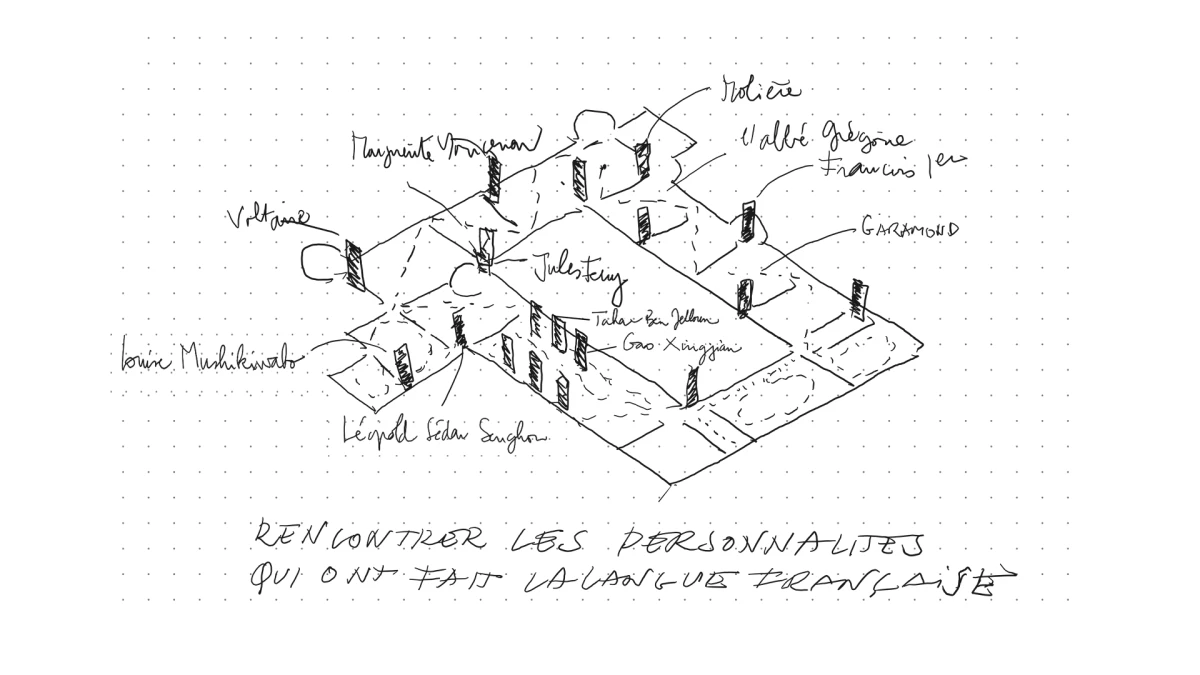
The Cité Internationale de la Langue Française (International Centre for the French Language) was to be symbolically designed around the 1539 ordinance. We planned to physically inscribe it into the floor at the centre of the courtyard in the Jeu de Paume, encouraging a reemergence of the vernacular in stone and language. Genuine connections can be drawn out between language and architecture, both then and now, in this specific setting.
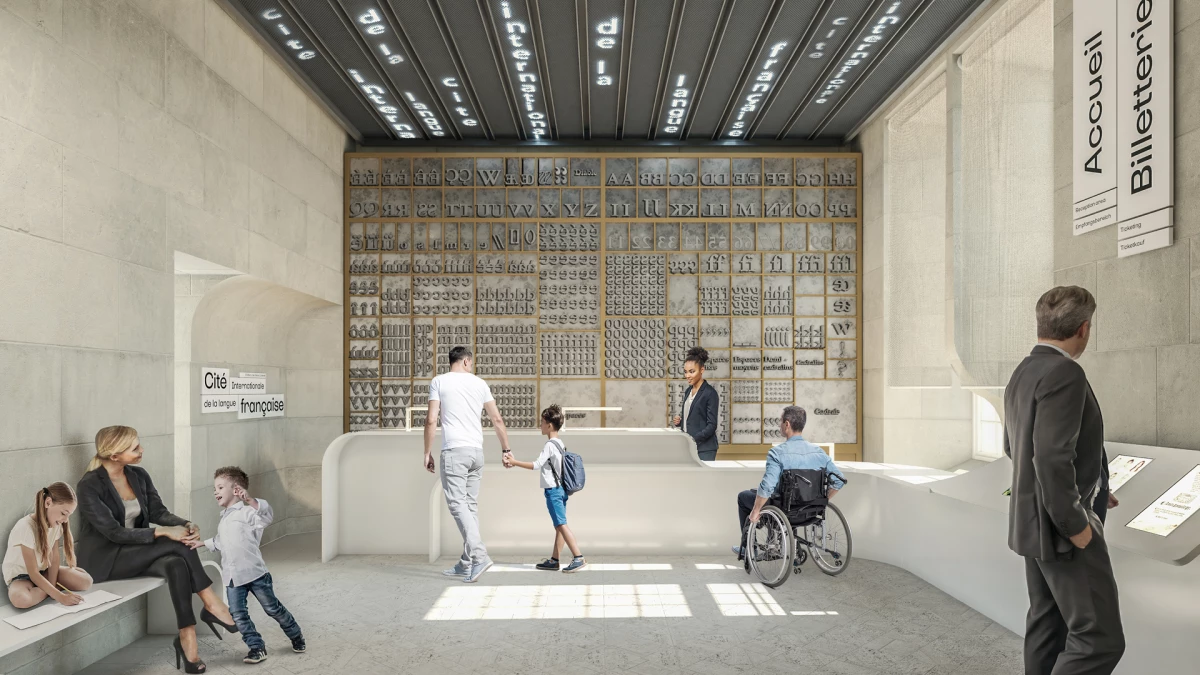
The Cité Internationale de la Langue Française will naturally become the hub of a worldwide network anchored to the château in which it sits, its physical embodiment and geographic anchor. By redeveloping the château, our goal was to amplify its contemporary global reach.